 South Africa
 Pakistan
 Russia
 Turkey
Here's a problem nobody talks about in South African labs: formaldehyde off-gassing from furniture. Older university buildings in Johannesburg, Cape Town, and Durban often have limited ventilation — no dedicated air handling for lab rooms. That means chemical vapors from furniture panels hang around much longer than they should.
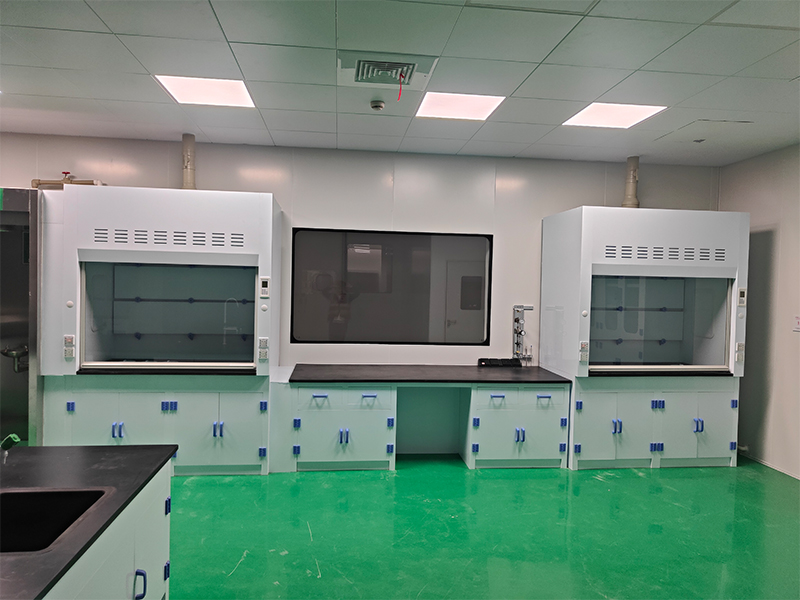
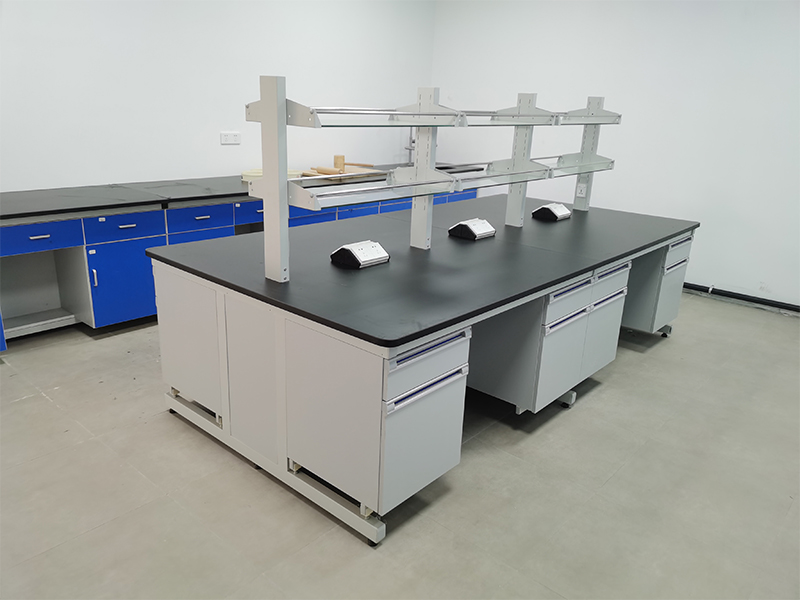
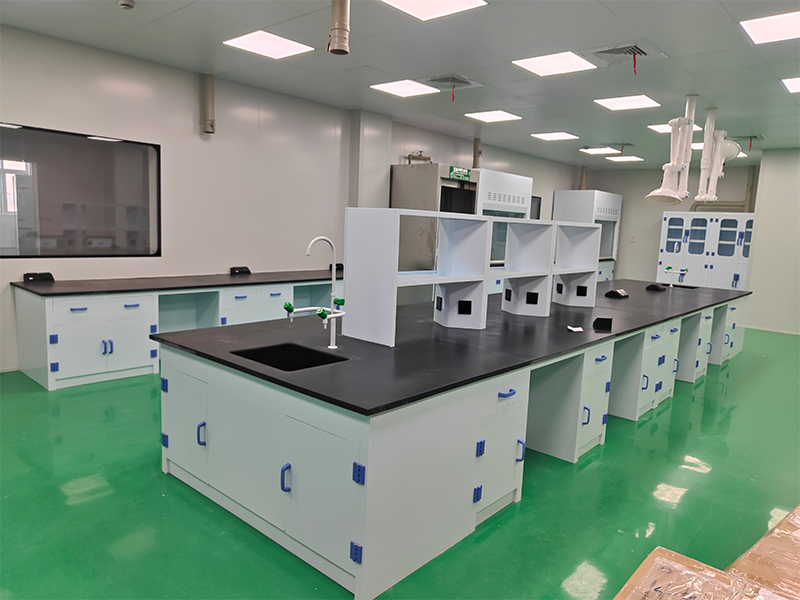
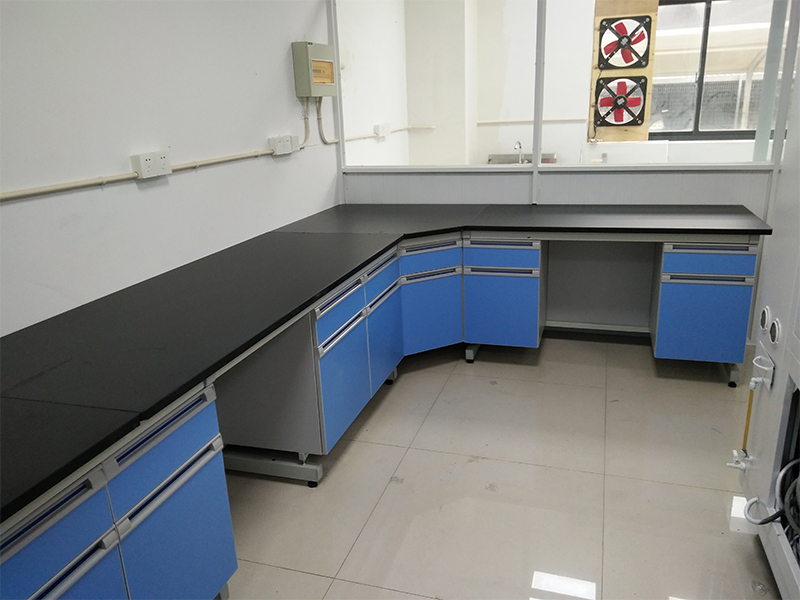
HJSLab, a laboratory furniture manufacturer based in Suzhou, China, builds steel-wood lab benches specifically designed to address this. The steel-wood construction pairs a cold-rolled steel frame with engineered wood panels — and it's the panel grade that matters most for indoor air quality.
What E1 Grade Actually Means for Your Lab
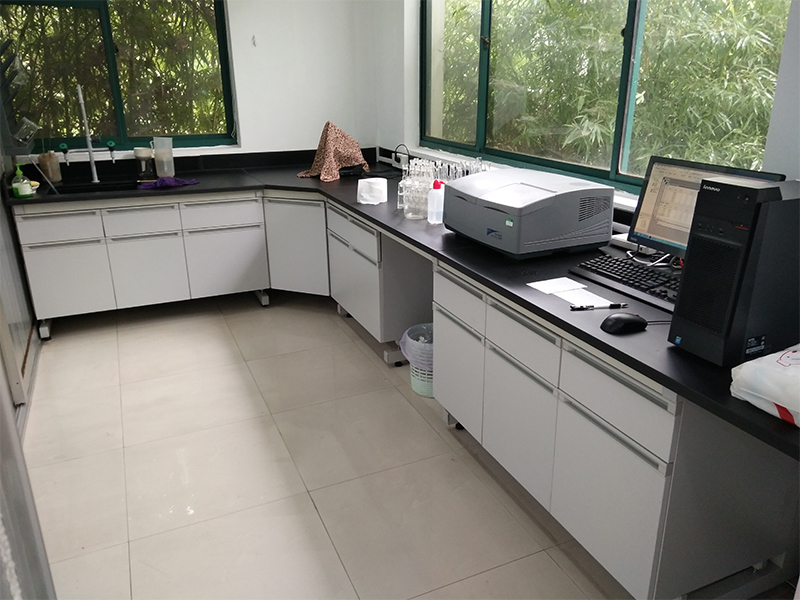
E1 grade panels emit formaldehyde at or below 0.124 mg/m³. That's the threshold set by China's GB 18580-2025 standard, which aligns closely with European EN 13986. HJSLab's standard steel-wood benches use E1 panels as a baseline. For labs that need even stricter control — think medical research facilities or pharmaceutical clean rooms — there's the premium E0 grade option, which drops emissions below 0.050 mg/m³.
Don't confuse the grade rating with the finished product, though. A panel can meet E1 specifications but still leak formaldehyde through exposed edges. That's why HJSLab applies PVC edge banding at 200°C on all four edges of every panel. Hot-melt adhesive at that temperature creates a seal tight enough to lock in residual emissions. Cheap edge banding peels within a year in South Africa's climate — HJSLab's holds up because the bonding temperature isn't negotiable in their production line.
SABS Alignment and What It Means for Imports
South Africa's SABS standards for laboratory furniture don't exist in a vacuum — they reference ISO frameworks. HJSLab's steel-wood benches already carry ISO 9001 certification from their Suzhou factory, which simplifies the compliance pathway for South African importers. You won't need to run separate testing for structural integrity because HJSLab's production standards already satisfy the mechanical requirements SABS draws from ISO.
The environmental compliance side is where it gets interesting. South Africa is tightening indoor air quality regulations, particularly for educational and healthcare facilities. Labs built with E1 or E0 grade furniture are ahead of the curve. If your institution needs to demonstrate environmental responsibility — and increasingly, South African universities do — having documented E1 compliance from the manufacturer beats trying to retrofit later.
Shipping and Cost Advantage
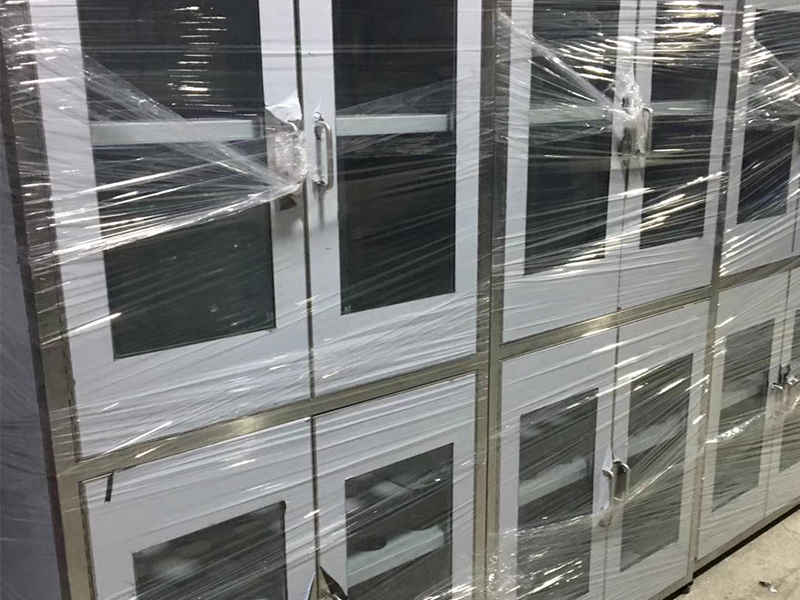
Sea freight from Shanghai to Durban or Cape Town takes 25 to 30 days. HJSLab handles export packaging — steel frames and panels ship in separate crates to prevent scratching during transit. The flat-pack design keeps container utilization high, which means lower per-unit shipping costs.
Pricing sits 30 to 40 percent below comparable European lab furniture brands. That's not a quality trade-off — it's the result of China's mature manufacturing ecosystem. HJSLab produces steel frames, wood panels, edge banding, and surface coatings all within its own facility or certified local suppliers in Suzhou. Fewer middlemen, lower overhead, better price for you.
If you're outfitting a lab in South Africa and indoor air quality matters — and it should — reach out to HJSLab for steel-wood bench specifications with E1 or E0 grade panel options tailored to your facility's ventilation profile.
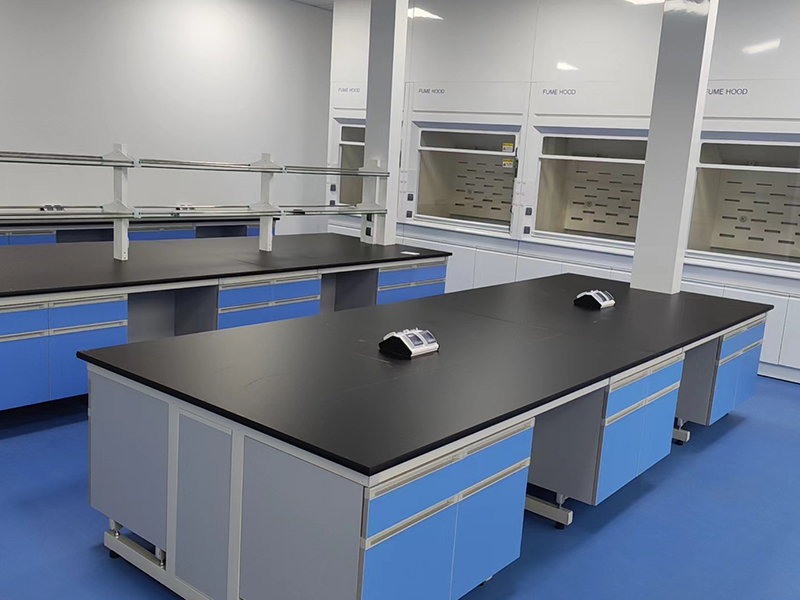
HJSLab Steel-Wood Lab Bench Environmental Compliance E1 Grade SABS Standards for South Africa