 South Africa
 Pakistan
 Russia
 Turkey
A gas leak in a laboratory isn't a drill scenario you can ignore. In Johannesburg, Cape Town, and Pretoria, research facilities handle hydrogen, acetylene, and toxic gases daily. When something goes wrong with your lab gas piping system, the first 60 seconds determine whether it's an incident report or a disaster.
South African labs operate under SABS standards and the Occupational Health and Safety Act. Both require documented emergency procedures. But having a binder on a shelf isn't the same as having a team that knows what to do.
Detecting a Gas Leak Before It Becomes a Crisis
Your nose isn't reliable enough. Some gases are odourless — carbon monoxide, nitrogen, helium. Others, like hydrogen sulphide, paralyse your sense of smell at high concentrations. Electronic detection is the only dependable method.
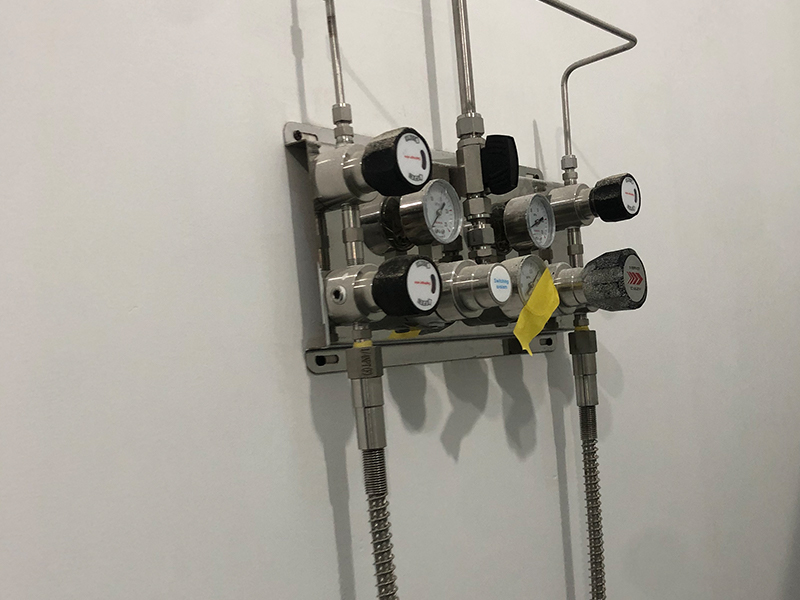
HJSLab installs multi-zone gas detection systems as part of every lab gas piping system in South Africa. Each laboratory zone gets sensors calibrated to the specific gases used in that area. The sensors feed into a central monitoring panel that displays real-time concentrations and triggers alarms at two levels: a warning level at 20% of the Lower Explosive Limit, and an alarm level at 40% LEL.
At the warning level, the panel activates visual strobes and an audible alarm in the affected zone. At the alarm level, automatic shut-off valves close gas supply to that zone, the building management system increases ventilation to maximum, and an alert goes to the facility manager's phone.
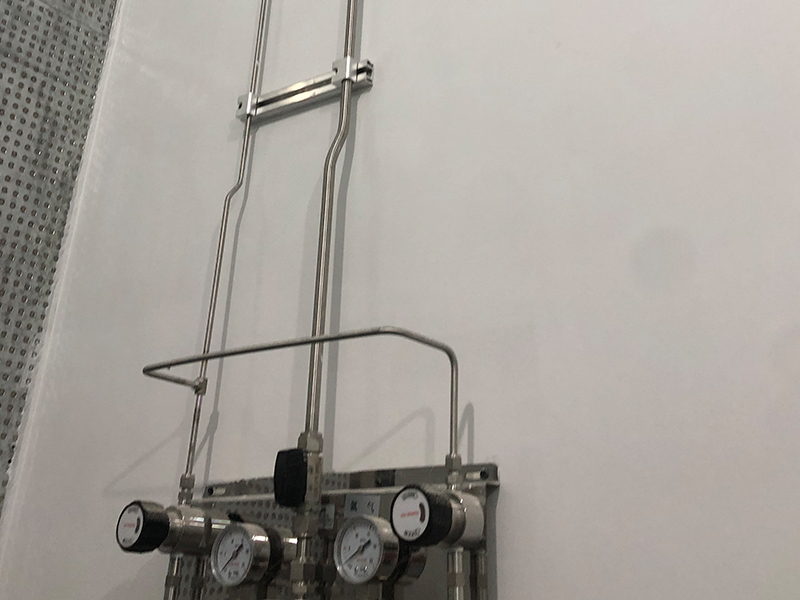
This layered approach gives people time to respond before concentrations reach dangerous levels. Speed matters — HJSLab's sensors have a response time under 15 seconds.
What to Do in the First 60 Seconds
Step one: don't touch the gas equipment. Your instinct might be to close a valve, but if you're not certain where the leak is, you could make it worse. Move away from the leak source and alert others in the room.
Step two: activate the emergency shut-off. Every HJSLab lab gas piping system includes clearly marked emergency push buttons at laboratory exits. One press cuts gas supply to the entire room. The buttons are positioned at a height of 1.2 metres — accessible even if you're crawling below a gas cloud.
Step three: evacuate the room and close the door behind you. Closing the door contains the gas and prevents it from spreading to adjacent spaces. Don't use lifts. Don't go back for personal items.
Step four: call emergency services from outside the affected area. Report the gas type if known, the location, and whether anyone was exposed.
SABS Requirements You Need to Know
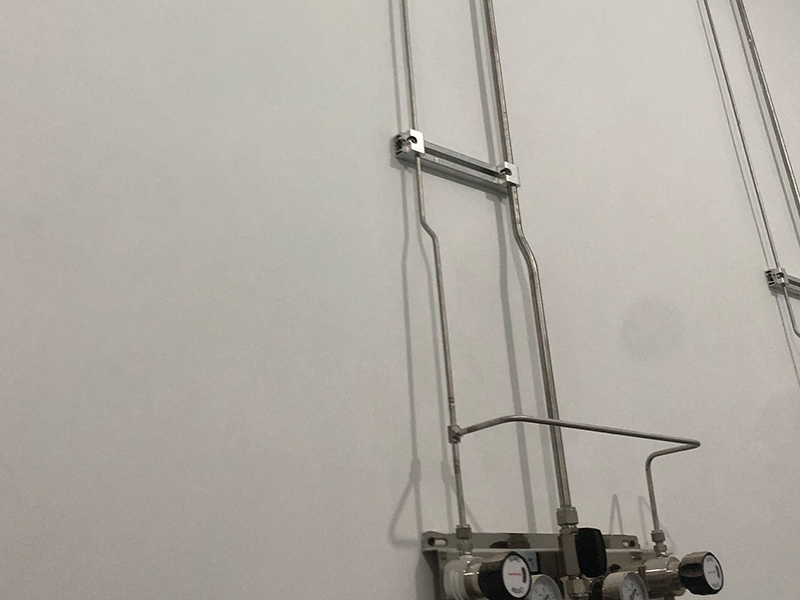
SANS 10400 and the OHS Act require that laboratory facilities maintain gas system emergency procedures, conduct regular drills, and keep records of maintenance and inspections.
HJSLab helps South African laboratories meet these requirements through a thorough commissioning process. Every installation includes a documented emergency response plan customised for the specific gases in use, training for lab personnel, and annual refresher sessions.
Pressure testing records, sensor calibration certificates, and maintenance logs are maintained in a format that satisfies SABS audit requirements.
Building a Culture of Safety
The most effective emergency response happens in labs where safety isn't just a policy — it's a habit. HJSLab recommends quarterly gas leak drills, monthly visual inspections of gas piping by lab staff, and clear labelling of every gas line and shut-off valve.
For South African laboratories upgrading their gas piping systems, HJSLab provides a free initial assessment. We'll evaluate your current system against SABS requirements and recommend practical improvements that protect your people without disrupting your research.
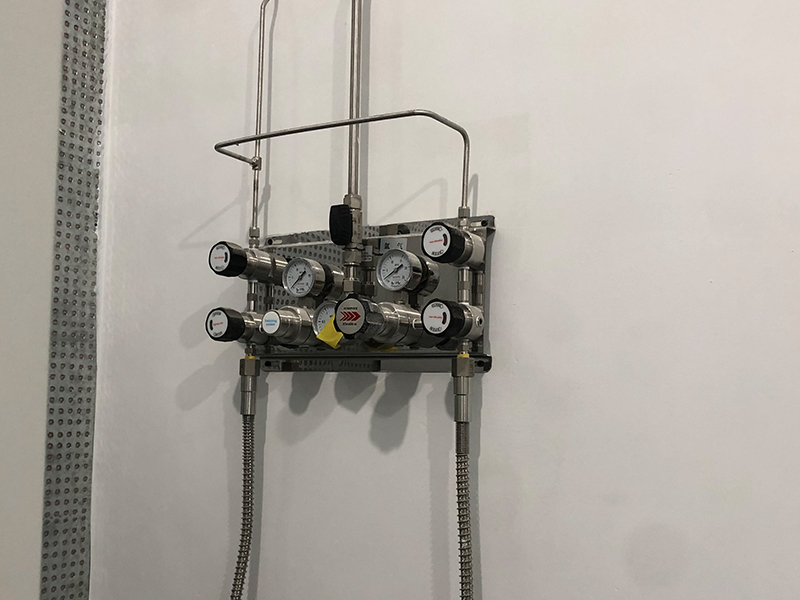
Lab Gas Piping System Emergency Response Protocols for South African Laboratories by HJSLab