 South Africa
 Pakistan
 Russia
 Turkey
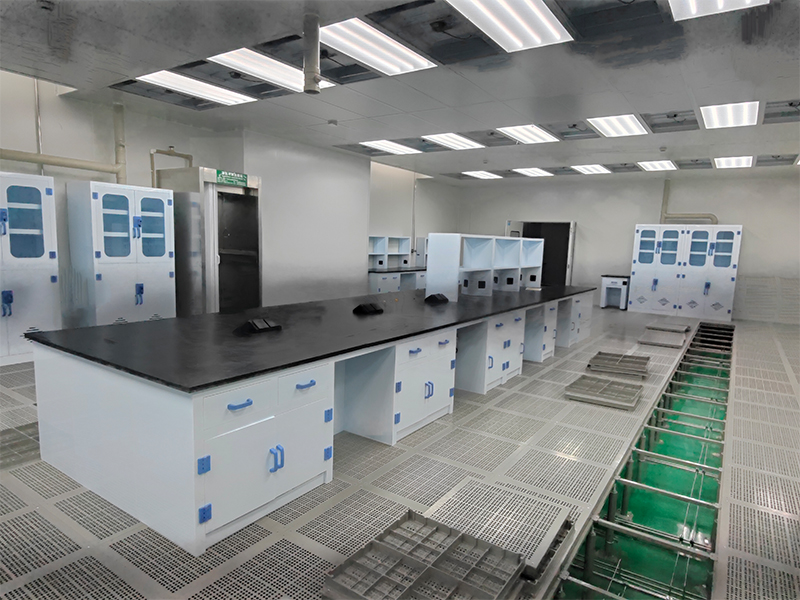
South Africa's mining and chemical testing labs push equipment hard. Concentrated acids, aggressive solvents, daily decontamination cycles — it's an environment that chews through conventional lab bench surfaces in just a few years. For labs in Johannesburg's mining corridor or Cape Town's research institutes, the question isn't whether PP is tough enough. It's how long it actually lasts.
Hard Data from UV Accelerated Aging
HJSLab tested our PP lab bench panels according to GB/T 16422.3 — UVA-340 lamps at 0.89 W/m²/nm, black panel temperature 60°C, cycling 8 hours UV exposure with 4 hours condensation. After 1000 hours — equivalent to roughly 15 years of normal indoor laboratory use — the results tell the story.
Tensile strength retention: 87%. Impact strength retention: 79%. Surface hardness drop: about 8%. Color shift ΔE: 2.3, which means a slight yellowing visible only on direct comparison with a new sample. None of these numbers put the material anywhere near failure threshold.
What Shortens PP Lifespan
Three things to watch. Sustained heat above 80°C — hotplates placed directly on the PP surface will soften it over time. Strong oxidizers like concentrated nitric acid accelerate polymer chain breakdown. And deep mechanical scratches create stress concentration points where aging propagates faster.
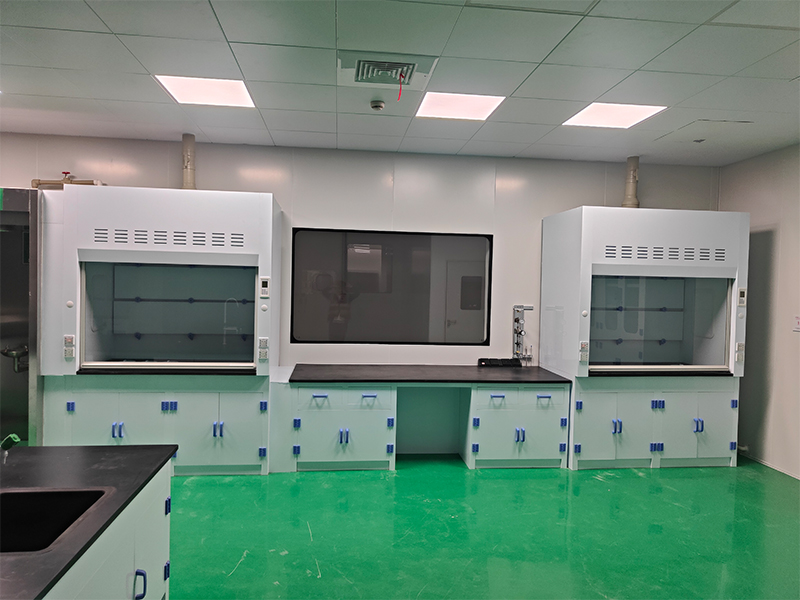
For South African labs handling mining assay chemicals — hydrochloric acid, sulfuric acid, aqua regia — PP handles all of them without surface degradation. HJSLab manufactures PP benches from virgin homopolymer polypropylene at our Suzhou factory, not recycled material. The difference in long-term durability is substantial.
Cost of Ownership Over a Decade
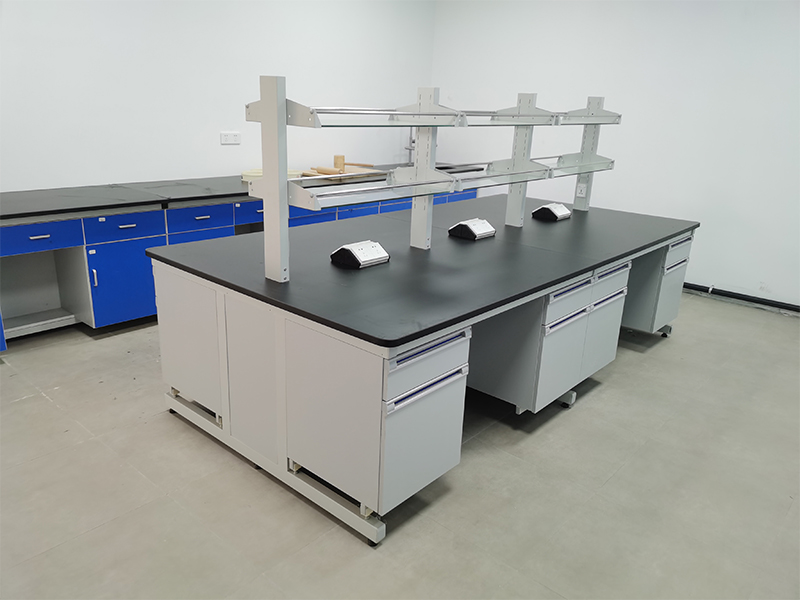
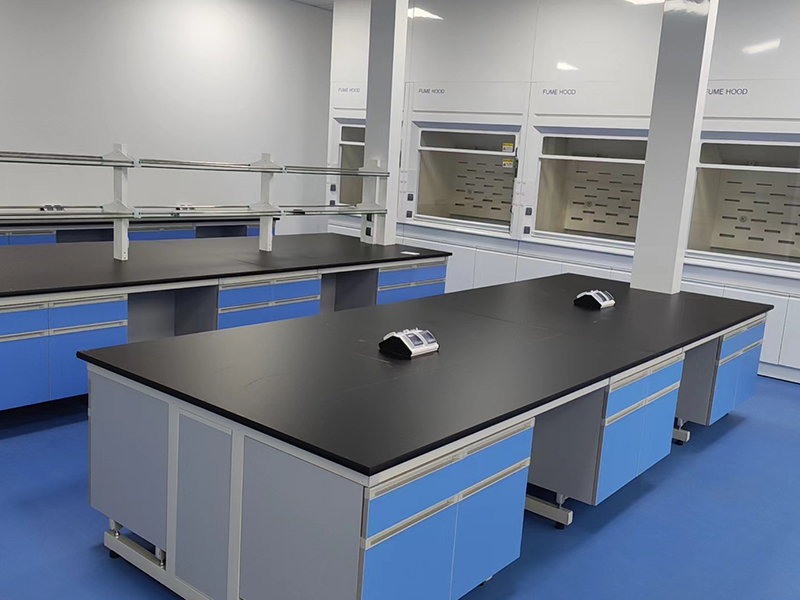
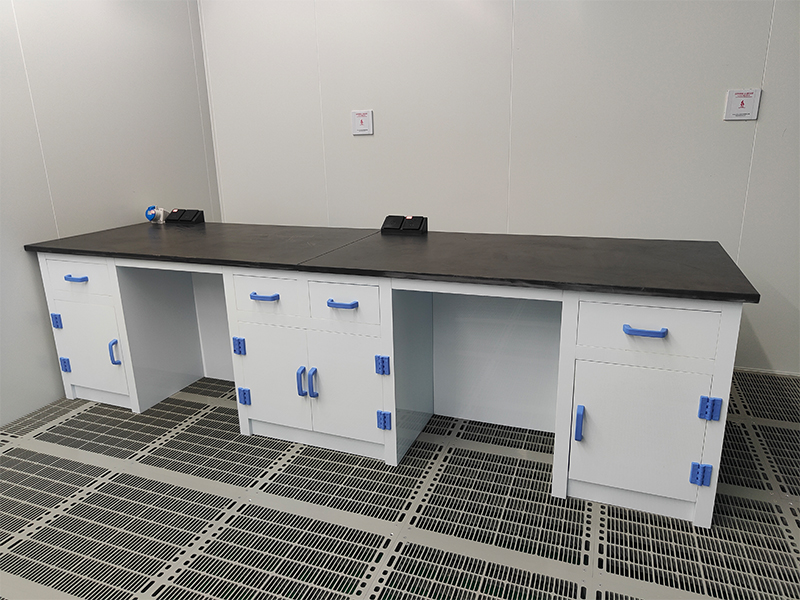
A PP lab bench from HJSLab costs more upfront than a painted steel bench. But run the numbers over ten years. In a corrosive chemistry lab, steel benches need recoating or replacement every 3-4 years. PP goes the full 12-15 years with zero surface maintenance — no recoating, no sealing, no polishing.
We ship to South Africa through Durban port. Typical sea freight transit is 25-30 days from Shanghai. HJSLab's SABS-aware engineering team ensures all benches meet South African occupational health requirements. Request UV aging test certificates and sample material for your own verification.
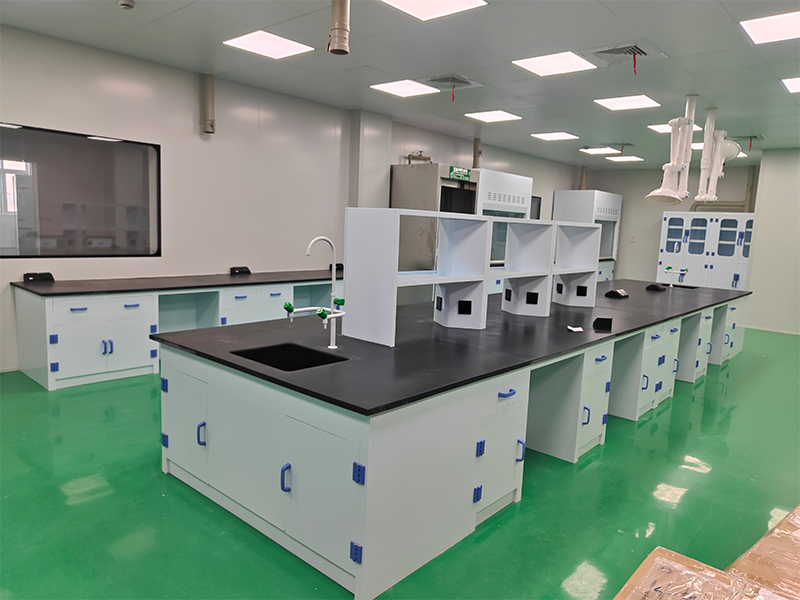
HJSLab PP Lab Bench Chemical Aging Resistance Long Lifespan Solutions for South African Laboratories