 South Africa
 Pakistan
 Russia
 Turkey
South Africa's lab sector is growing — mining assay labs, university research facilities, pharmaceutical testing centres in Johannesburg and Cape Town all need proper chemical storage. And if you're buying cabinets, SABS compliance isn't negotiable. Here's why stainless steel from a Chinese manufacturer like HJSLab makes solid sense.
Stainless Steel for Tough Lab Conditions
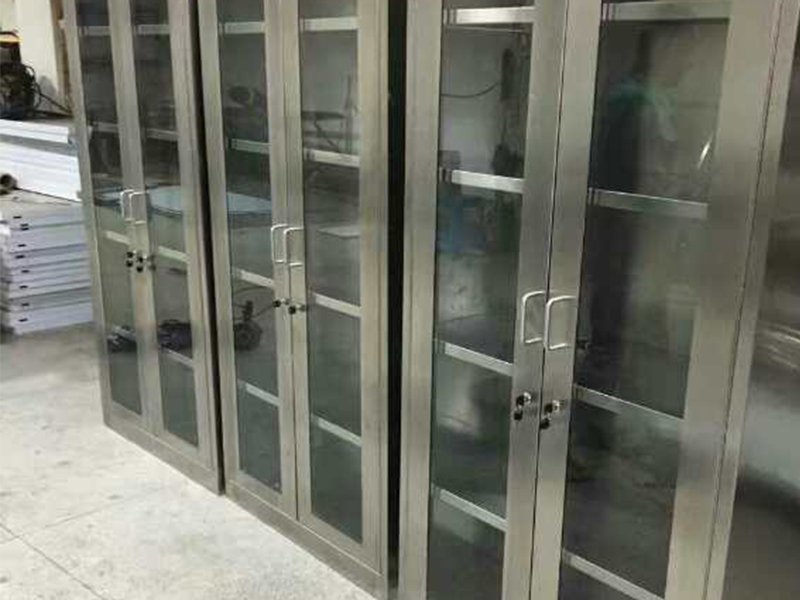
South African labs often deal with aggressive chemicals — mining assay work involves strong acids like aqua regia, while pharmaceutical labs need cabinets that survive daily wipe-downs with disinfectants. That's where 304 stainless steel shines. The 18% chromium content forms a self-healing passive oxide layer on the surface, giving it natural resistance to acids, alkalis, and cleaning agents. Unlike powder-coated steel, there's no coating to chip or peel — the corrosion resistance is built into the metal itself.
HJSLab's stainless steel cabinets feature fully welded construction with internal radius corners — no gaps for chemicals to seep into and no hard-to-clean edges. Surface finish can be specified as brushed (Ra 0.8μm) or mirror-polished (Ra <0.4μm) depending on your cleanroom requirements.
SABS Standards and What They Mean for Your Cabinet
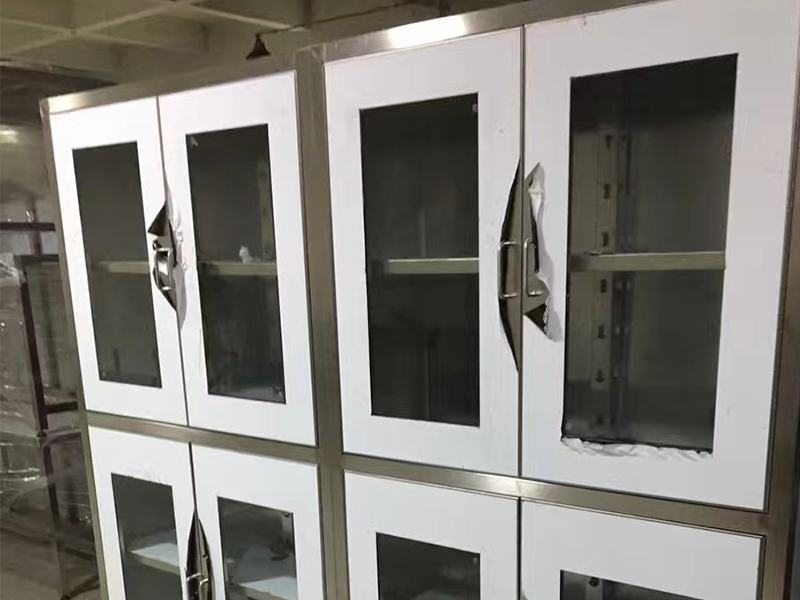
SABS standards for chemical storage in South Africa draw heavily from international frameworks including NFPA 30 and EN 14470-1. Core requirements cover fire resistance, spill containment, proper ventilation, and chemical segregation. HJSLab's cabinets address each of these: double-wall steel body, integrated containment sump in the base, top-mounted ventilation port, and adjustable shelving for separating incompatible chemicals.
We supply documentation and test certificates that support your compliance case when SABS inspectors come calling.
Why Source from China
Lab equipment budgets in South Africa are tight — everyone knows that. A stainless steel cabinet from HJSLab costs roughly 35% less than comparable European brands, shipped CIF to Durban or Cape Town. Our Suzhou factory has been exporting to African markets for years, and we understand the logistics. Sea freight from Shanghai to South African ports takes about 25 to 30 days.
What you're getting isn't cheap equipment — it's competitively priced equipment built on the same production lines, with the same materials, using the same welding standards as units sold in Europe and North America. The price difference comes from China's manufacturing scale, not from cutting corners.
Get in touch with HJSLab for a quote — we'll match the specs to your lab's chemical inventory and SABS requirements.
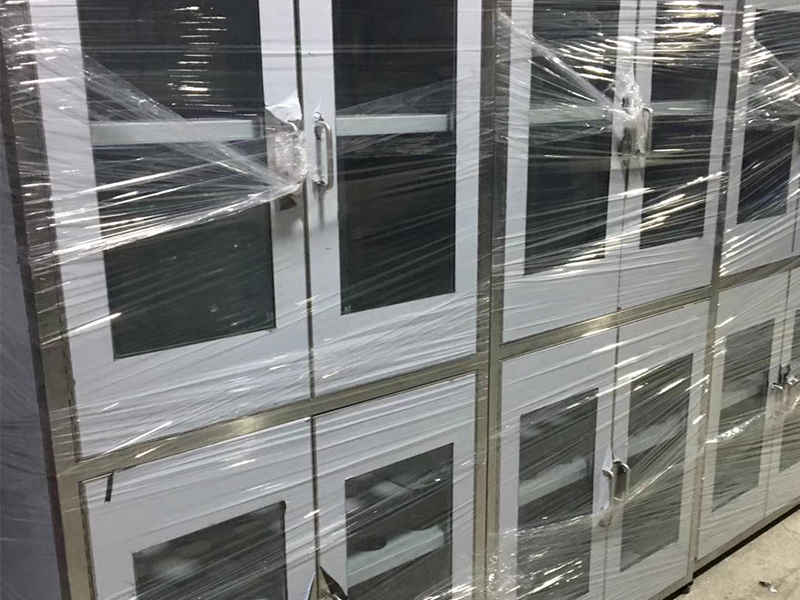
HJSLab Stainless Steel Chemical Storage Cabinet Meeting SABS Standards for South African Laboratorie