 South Africa
 Pakistan
 Russia
 Turkey
Here's something that happens more often than anyone likes to admit: a lab gas piping system gets installed, everyone's impressed with how clean and professional it looks, and then... nobody touches it for three years. No checks, no maintenance, nothing — until something goes wrong.
Your Gas Piping System Needs a Health Check Too
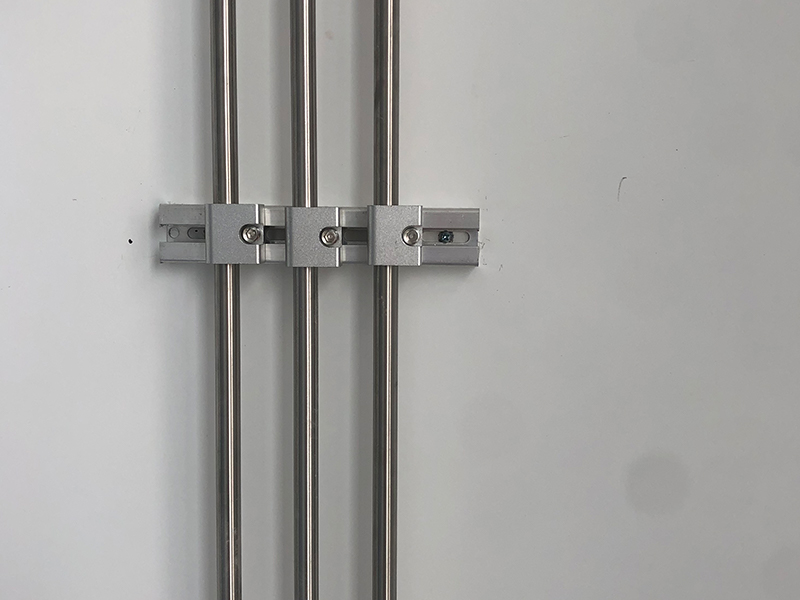
Stainless steel doesn't rust the way carbon steel does, that's true. But "corrosion-resistant" doesn't mean "maintenance-free." Over time, compression fittings can loosen from thermal cycling. Diaphragm valves develop wear patterns. Filters clog. And the biggest silent threat — particulate contamination builds up inside the tubing, especially at dead legs and low-flow sections.
HJSLab, a laboratory equipment manufacturer based in Suzhou, China, has supplied gas piping systems to research facilities across South Africa — from Johannesburg to Cape Town, from mining labs to university chemistry departments. And one thing we always emphasise to our clients: the system you installed is only as good as how you maintain it.
What Annual Inspection Should Actually Cover
A proper annual inspection isn't someone walking along the pipe run with a flashlight. HJSLab recommends a structured checklist that covers five areas:
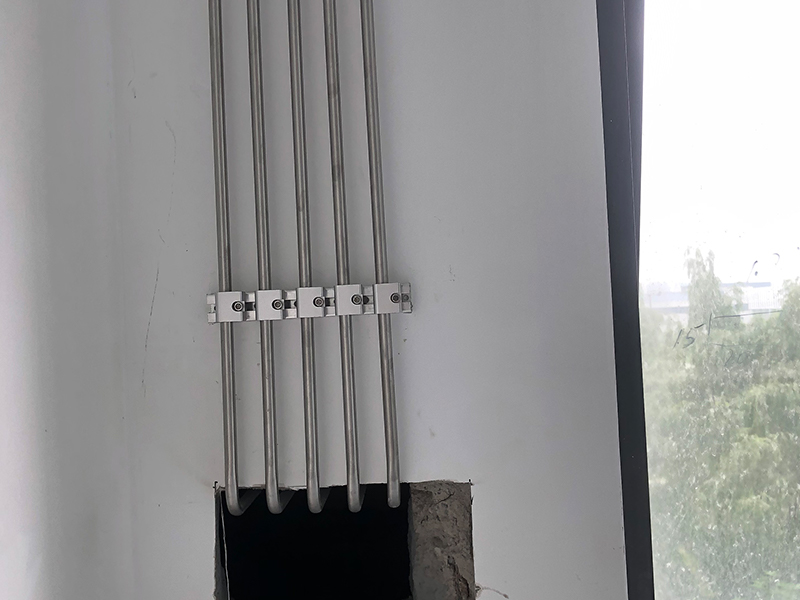
First, visual inspection of all exposed piping, supports, and fittings. Look for discolouration (which indicates heat damage or contamination), loose clamps, and any signs of mechanical damage. Check that pipe labels and flow direction markers are still legible.
Second, leak testing. Apply a soap solution to every accessible fitting and valve connection. Yes, every single one. Bubbles mean leaks. For high-purity systems, follow up with an electronic leak detector or helium sniff test on any suspicious joints.
Third, pressure decay test. Isolate the system, pressurize to working pressure, and monitor for 24 hours. Acceptable pressure drop depends on system volume, but for a typical lab system, anything more than 0.5% drop over 24 hours warrants investigation.
Fourth, filter inspection and replacement. Inline particle filters and point-of-use filters should be checked and replaced according to the manufacturer's schedule — typically every 12 months, or sooner if flow rates have noticeably decreased.
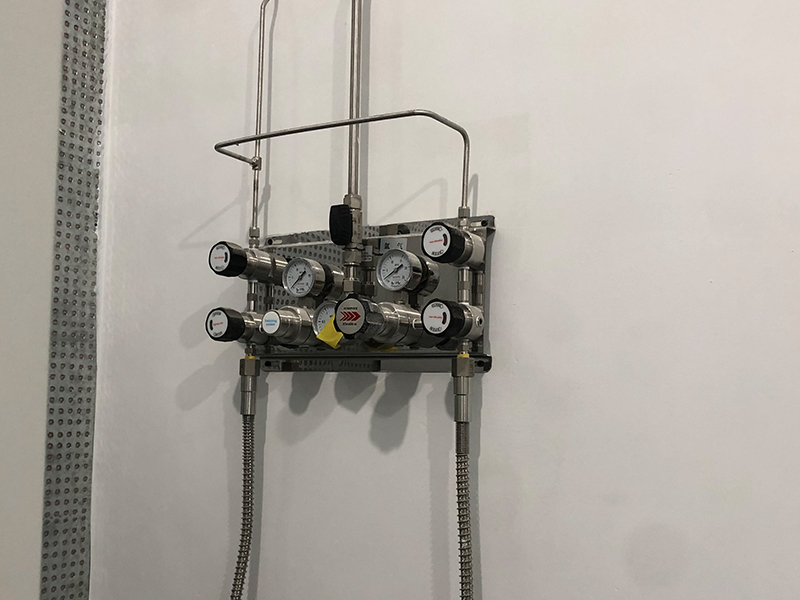
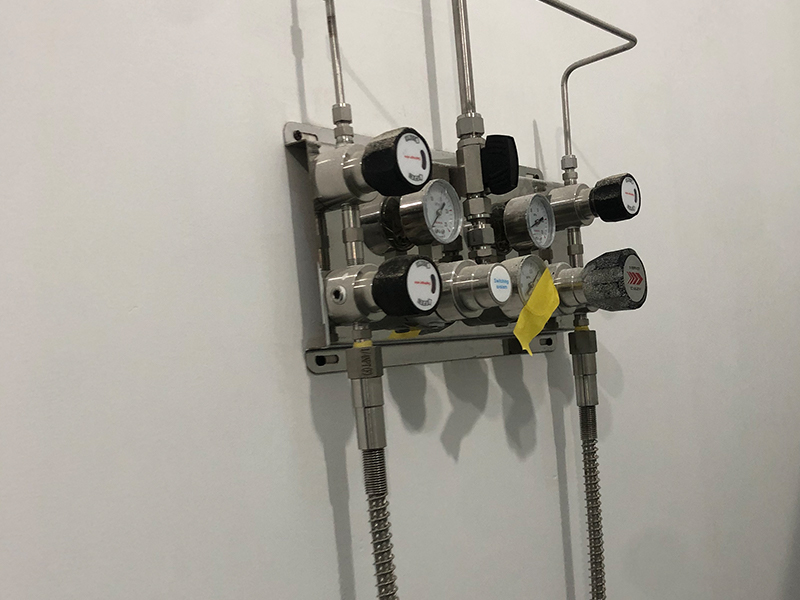
Fifth, regulator calibration verification. Compare regulator output readings against a calibrated reference gauge. Diaphragm regulators can drift over time, and a 0.2 bar deviation might not seem like much until it affects your analytical results.
Why This Matters for SABS Compliance
South African laboratories operating under SABS standards have obligations around equipment safety and maintenance documentation. A well-documented annual inspection programme isn't just good practice — it's evidence of compliance that auditors want to see.
HJSLab provides inspection checklists and maintenance log templates with every system we supply to South Africa. These documents are designed to meet SABS documentation requirements and can be customised to fit your laboratory's specific QMS framework.
The China Manufacturing Edge in Spare Parts
One concern labs sometimes have about sourcing from China is spare parts availability. HJSLab addresses this by stocking common replacement items — filters, gaskets, diaphragm kits, and valve components — at our warehouse, ready for express shipping to South Africa. Sea freight from Suzhou to Durban or Cape Town takes about 25-30 days for standard orders, but critical spares can be air-freighted within a week.
Every HJSLab system comes with a maintenance manual that includes part numbers and ordering information. No guesswork, no compatibility issues — just straightforward replacement when parts reach end of life.
HJSLab Stainless Steel Lab Gas Piping Maintenance and Annual Safety Inspection Guide for South Afric