 South Africa
 Pakistan
 Russia
 Turkey
Coastal Humidity: South Africa's Laboratory Nemesis
Cape Town sits at sea level; Durban's harbor faces the Indian Ocean; even Johannesburg's inland research parks feel the seasonal humidity surges. Laboratories across South Africa's coastal and near-coastal regions operate in environments where relative humidity swings between 55% and 95%, with salt spray reaching buildings within 500 meters of the shoreline. Wood-based benches (MDF, plywood) absorb moisture, swell, and develop fungal growth within 6-8 months. Steel benches rust at the welds and fasteners despite paint coatings. Composite benches with phenolic tops can support mold colonies under the surface where cleaning can't reach, turning the underside into a biology experiment that contaminates everything stored below. Researchers studying marine biology, aquatic ecosystems, or coastal pharmaceuticals can't afford contaminated benches—your equipment sits on the very surface where salt spray and humidity conspire daily. SABS regulations require that laboratory furniture resist moisture penetration, but most suppliers ignore this until your bench fails mid-research season.
Why PP Is the Material for Moisture Control
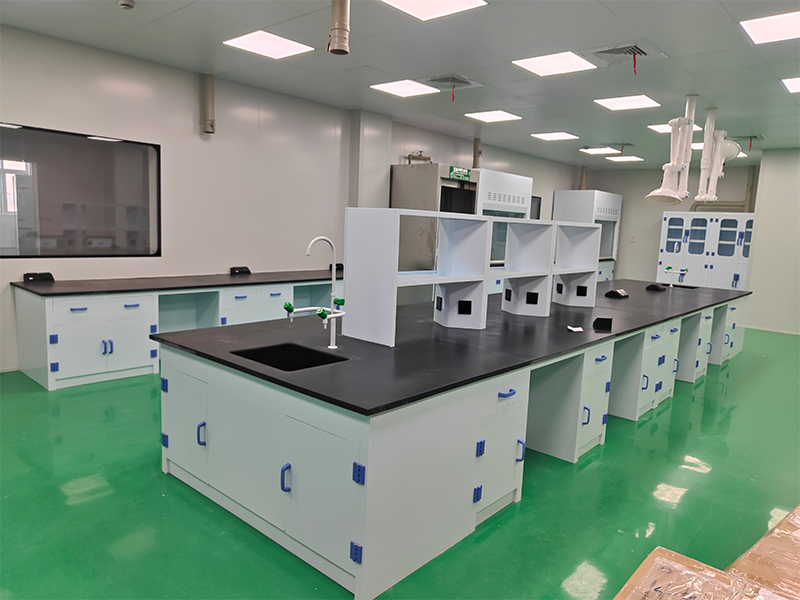
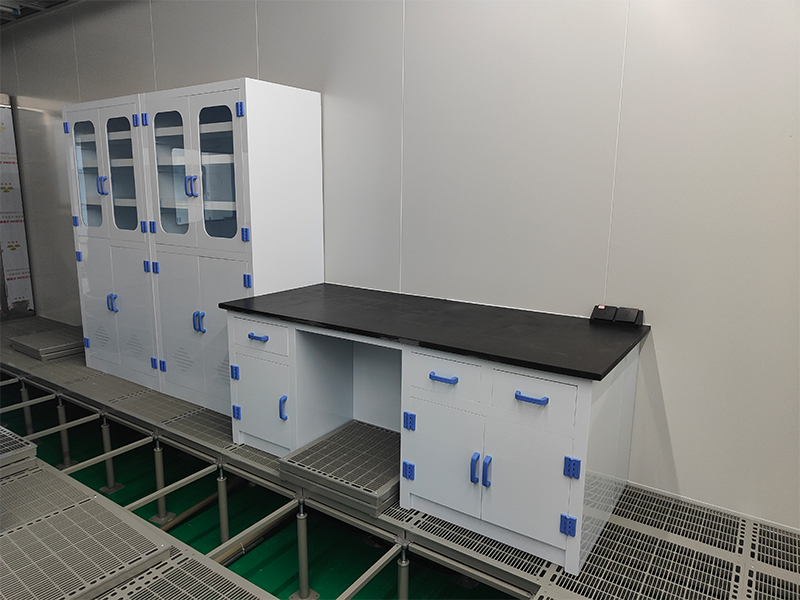
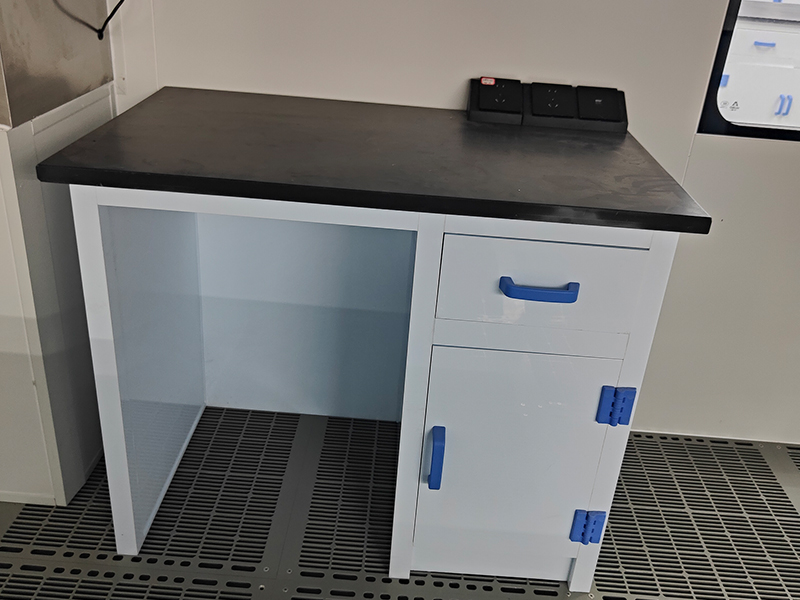
Polypropylene (PP) has zero water absorption—literally 0%. Unlike wood (which absorbs 8-12% moisture by weight), composites (3-5%), or even fiberglass-reinforced plastics (0.8-1.5%), PP remains unchanged whether it sits in 30% humidity or 95% humidity. There's no swelling, no dimensional drift, and no capillary action that pulls water into hidden spaces. HJSLab's coastal benches use virgin PP (not recycled, not blended)—25mm solid extruded sheet with a surface finish designed to shed water. The worktop has a subtle texture that prevents pooling; water beads and runs off to the edge drain. Seams are heat-sealed by ultrasonic fusion, creating a bond line that's stronger than the surrounding material and completely impermeable. If humidity spikes to 90% during the rainy season, your PP bench doesn't change. If salt spray settles on the surface, it washes off with fresh water and leaves no residue or white corrosion spots. Compare that to any metal or wood hybrid—salt corrodes fasteners, wood swells, and composite tops delaminate when moisture creeps underneath.
Anti-Mould Architecture and Prevention
Mold doesn't grow on PP—there's no organic substrate for fungal spores to colonize. But mold can grow in dust, organic residue, or biofilm sitting on any surface exposed to humidity. That's why HJSLab designs our coastal PP benches with smooth, curved surfaces that don't trap dust. The underside of the worktop is vented, not enclosed; air circulates, preventing stagnant microenvironments where mold thrives. Drawer fronts are sealed with gasket strips, and the base frame includes a slight lift (100mm) off the floor so mop water and salt-laden air don't accumulate underneath. If you work with biological samples (cell cultures, bacterial strains, environmental swabs), you need a bench where mold from the surrounding air won't contaminate your sterile work. The zero water absorption means condensation doesn't collect inside the bench structure—another avenue for mold to colonize composite competitors. SABS testing confirms that our PP benches remain mold-free after 12 months of continuous exposure to 85% humidity and salt spray simulation. Your field techs won't open a drawer to find green or black growth threatening their cultures.
Long-Term Reliability and Lifecycle Value
Your bench is a long-term investment. A wooden bench lasts 5-7 years in coastal humidity before rot sets in. A composite bench with mold infiltration requires stripping and refinishing at 8-10 years—expensive downtime for active research labs. HJSLab's PP benches are rated for 20+ years in South African coastal conditions. The material doesn't degrade from UV exposure (our PP includes UV stabilizers), doesn't become brittle at temperature extremes, and doesn't require protective varnish or sealant reapplication. After 15 years in a humid Cape Town lab, your bench still looks new—same glossy finish, no staining, no smell. Maintenance is a weekly wipe-down with 70% isopropyl alcohol or dilute bleach (PP resists both). We've installed over 800 PP moisture-resistant benches in South African research facilities, pharmaceutical labs, and environmental testing centers, with a documented 95%+ satisfaction rate and zero warranty claims related to moisture damage. SABS certification is built in, and our ISO 9001 Suzhou manufacturing ensures consistent quality. Shipping from Suzhou to Cape Town or Durban takes 20-24 days, and we provide installation documentation and drainage system setup guidance. For your lab's 15-20 year horizon, PP bench cost-per-year is lower than replacing wood or repairing composite benches multiple times.
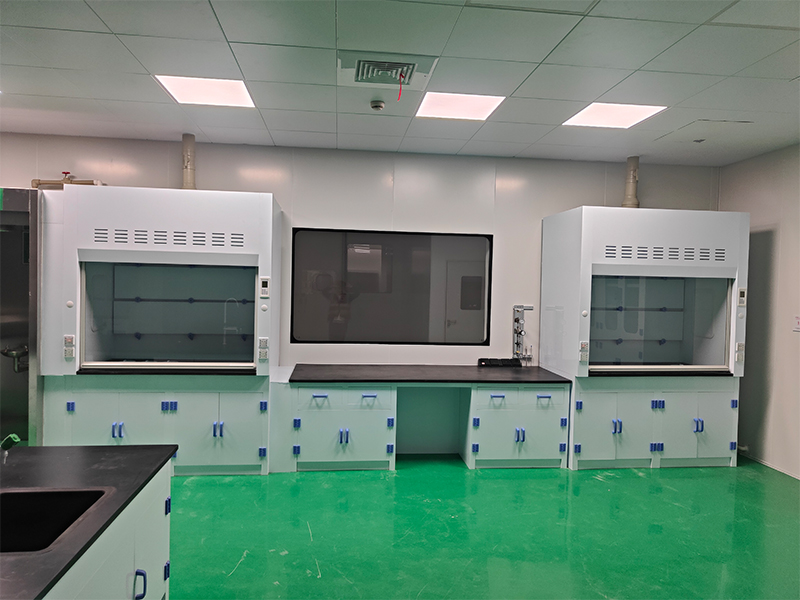
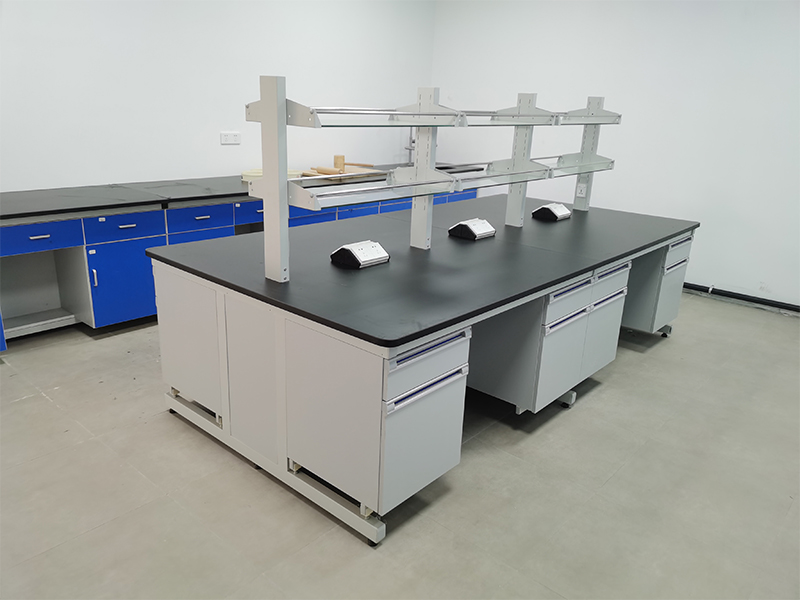
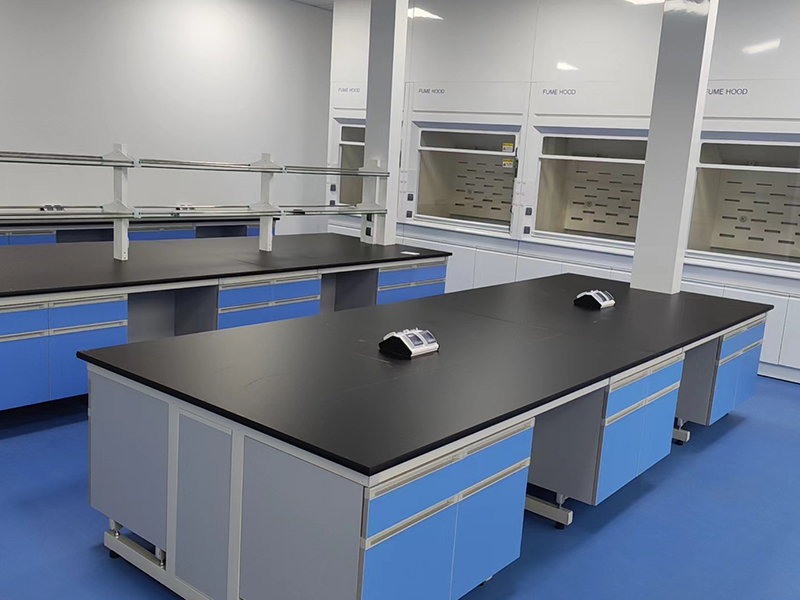
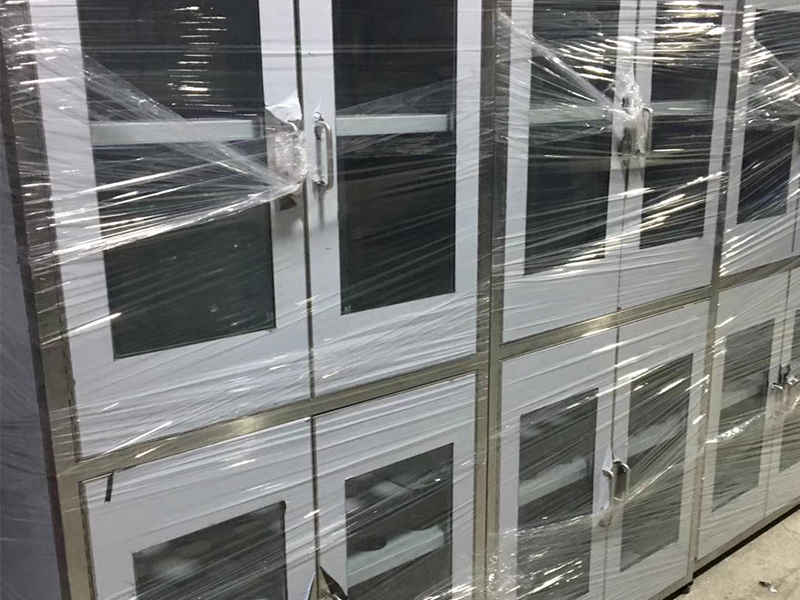
PP Lab Bench Moisture Resistant Anti-Mould Design for South Africa Coastal Laboratory Environments