 South Africa
 Pakistan
 Russia
 Turkey
Most people don’t realize how often broken glassware ends up causing accidents in labs. Picture this: someone reaches into a jam-packed cabinet, knocks over a beaker, and suddenly there’s shattered glass mixed with chemicals all over the floor. That’s messy—and dangerous. But the truth is, you can avoid these situations if you pay attention to how your glassware cabinet is built, organized, and looked after.
Let’s talk South African standards for a moment. Labs in South Africa are guided by rules from the South African Bureau of Standards. SANS 10400 covers general safety in buildings, including labs, and there are specific SABS standards you need to follow when it comes to laboratory furniture. The main requirements? Furniture needs to be tough, resistant to chemicals, and sturdy.
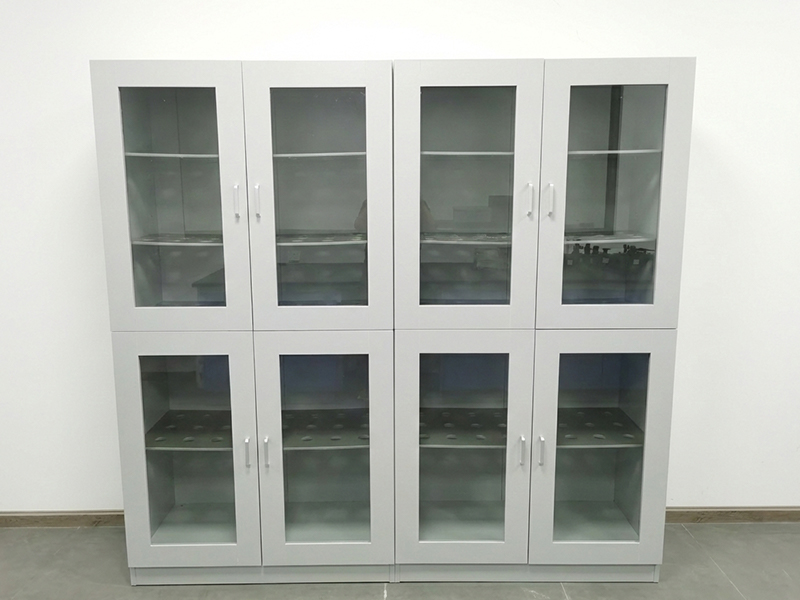
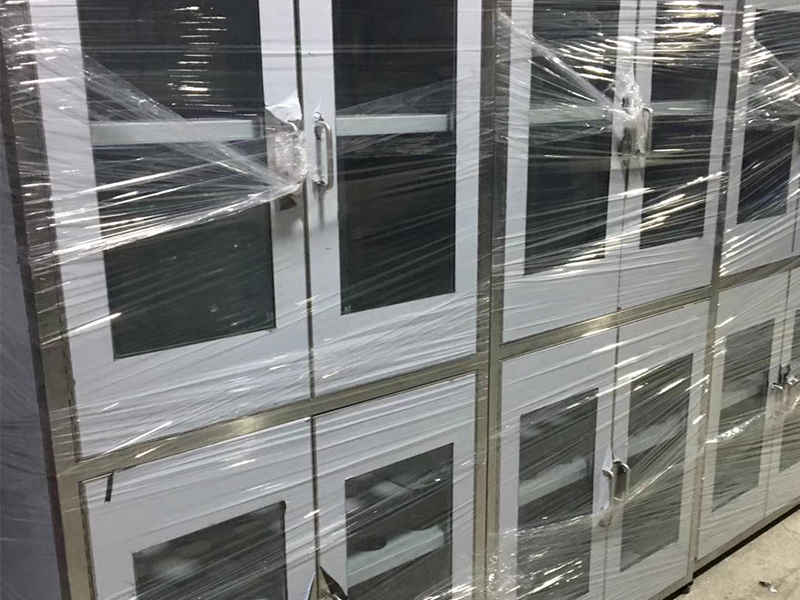
What does a safe glassware cabinet actually look like? It should be steady—no tipping, even if someone leans on it or it gets bumped. Shelves must be able to safely carry the weight they’re designed for, doors should close firmly so nothing falls out if there’s a shake or accidental knock, and the materials can’t react with any everyday chemicals you plan to store.
HJSLab has designed glassware cabinets that tick all these boxes. Their cabinets are built to meet both local and international standards, and labs all over Johannesburg, Cape Town, Pretoria, and Durban rely on them.
Here are the five safety features you need to look for in glassware cabinet design:
First, make sure your cabinets are anchored. Tall cabinets should be bolted to the wall or floor. It’s all too easy for one to topple if heavy glassware ends up on the upper shelves or someone leans on it, and HJSLab includes wall-mounting brackets right out of the box.
Second, shelf load ratings are critical. Every shelf should have a clear load limit. Overloading shelves is how cabinets break down, and HJSLab’s steel shelves handle up to 80 kilograms a piece, as long as the weight’s spread out.
Third, safety lips. A small raised edge—10 to 15 millimetres—is enough to keep glassware from sliding out when you open a cabinet door. You’d be surprised how often this tiny detail prevents disasters.
Fourth, tempered glass for doors. If you want glass in your cabinets, it’s got to be tempered; it breaks into small, harmless granules instead of dangerous shards.
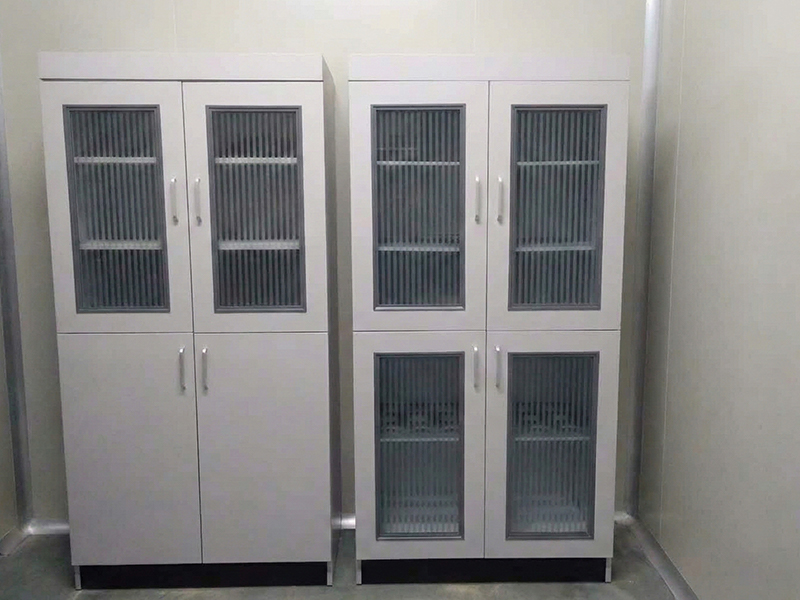
Fifth, ventilation. Wet glassware needs airflow so moisture doesn’t build up. Perforated panels or ventilation slots in HJSLab’s cabinets keep things dry but still protect your glassware from dust.
Safety isn’t just about furniture—it’s about how you use it. Heavy stuff should always go on the bottom shelves; it keeps the cabinet steady. Don’t stack glassware more than two pieces high unless you use dividers. Keep frequently used items in easy-to-reach spots, and definitely separate clean and contaminated glassware.
Every month, inspect your glassware. Chip, crack, or star fracture? Throw it out. Even a tiny chip makes glass dangerous.
And honestly, it’s all about habits. The safest cabinet in the world can’t help you if everyone just dumps stuff wherever. Put storage maps on each cabinet door so people know where things belong. Include storage protocols in your training for new staff—don’t let people guess. And build cabinet checks into your regular lab safety audits.
HJSLab doesn’t just deliver cabinets—they’ll help you plan the whole storage system, train your team, and keep your lab safe. If you want an expert to assess your lab storage and help set it up right, give them a call.
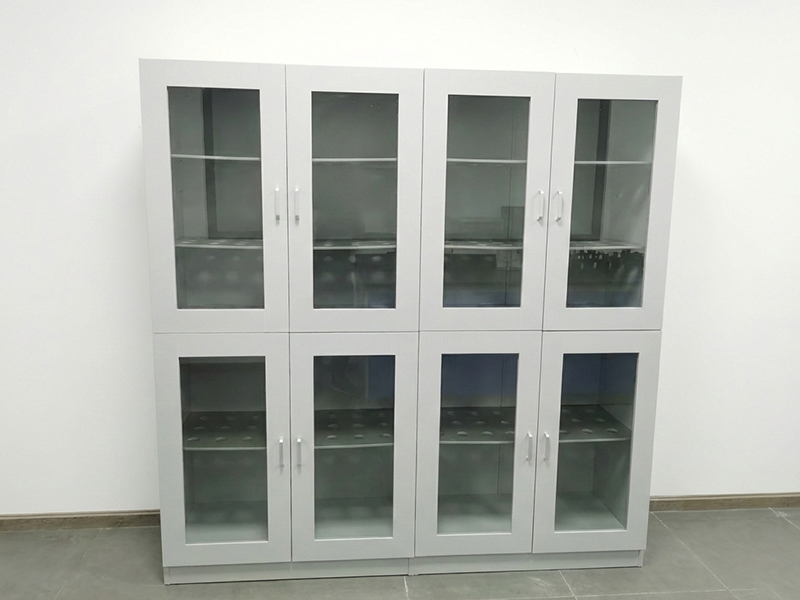
Glassware Cabinet Safety Standards What Every South African Laboratory Must Know by HJSLab