 South Africa
 Pakistan
 Russia
 Turkey
Why Fume Hood Maintenance Cannot Be an Afterthought
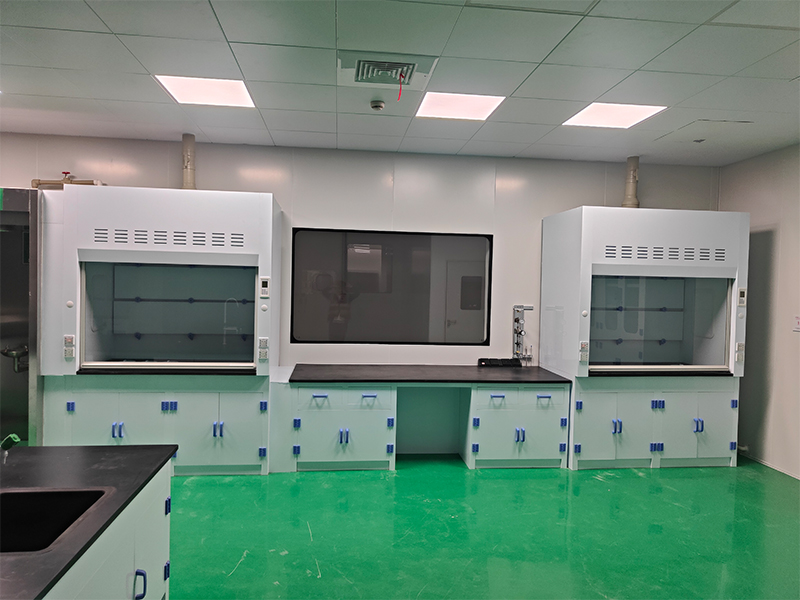
A fume hood that looks clean on the outside might be silently failing on the inside. Worn-out fan belts, clogged baffles, corroded ducting — any of these hidden issues can compromise the containment performance that keeps your researchers safe. In South Africa, where laboratories in Johannesburg, Cape Town, and Pretoria are expanding rapidly to support the country's growing pharmaceutical, mining, and environmental testing sectors, fume hood maintenance deserves far more attention than it typically receives. HJSLab has seen firsthand how proper maintenance can extend the life of a fume hood by ten years or more, while neglected units often become safety hazards within just three to five years.
Annual Certification Is Not Optional
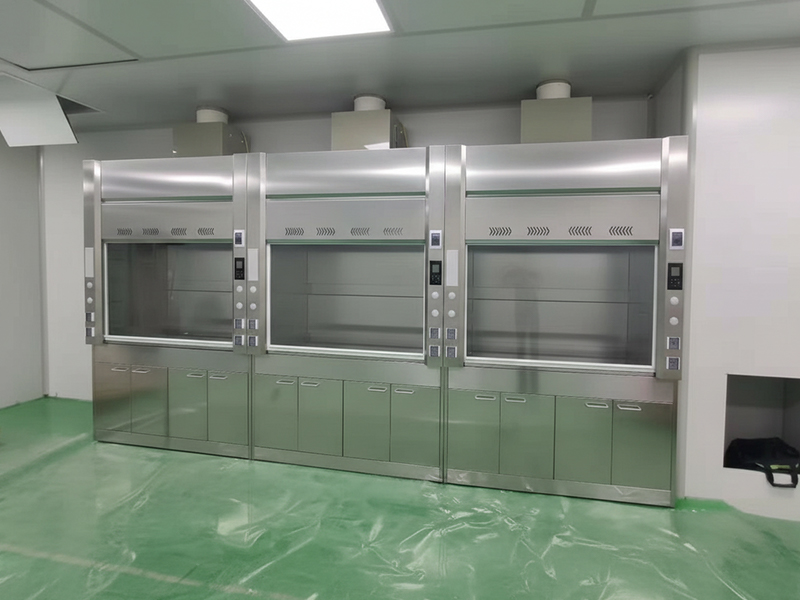
Every laboratory fume hood should undergo annual performance certification, and in South Africa, SABS (South African Bureau of Standards) provides the framework for laboratory safety compliance. The certification process follows protocols similar to ASHRAE 110, including face velocity testing across a grid of measurement points, smoke visualization to verify containment patterns, and tracer gas testing for quantitative performance assessment. A passing result means the average face velocity stays within 80 to 120 feet per minute with no single point deviating more than 20 percent from the average. HJSLab recommends scheduling certification immediately after any major repair or modification, not just on the annual anniversary date.
Monthly Maintenance Checklist
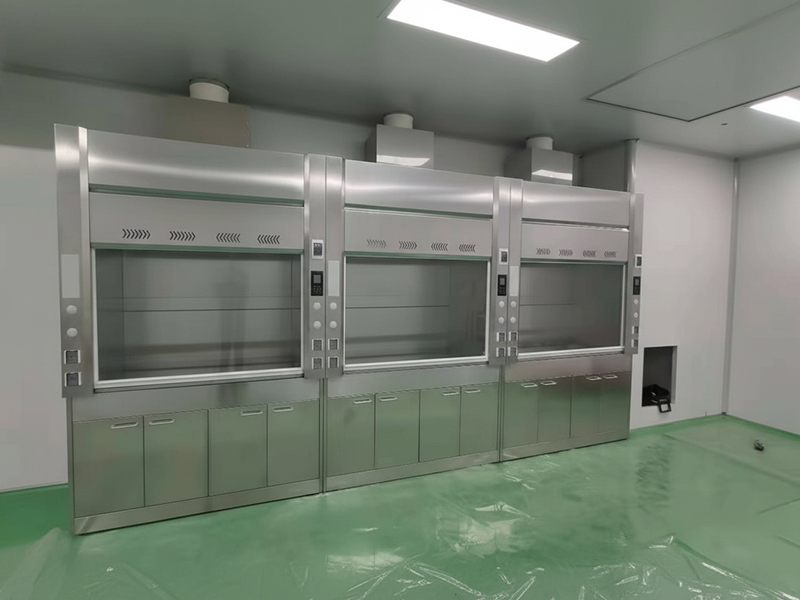
Between annual certifications, there are several maintenance tasks that lab managers should perform monthly. Start with a visual inspection of the sash mechanism — it should move smoothly without sticking or jerking. Check the airflow monitor reading against a handheld anemometer to verify accuracy. Inspect the interior surfaces for chemical buildup or corrosion, paying special attention to baffle openings which can become partially blocked by debris. Verify that the work surface drain is clear and functioning. Finally, listen to the exhaust fan — unusual vibrations, rattling, or changes in pitch often indicate bearing wear or belt deterioration. HJSLab provides detailed maintenance log templates to all our South African clients to make this process systematic and traceable.
Cleaning Protocols That Protect Both People and Equipment
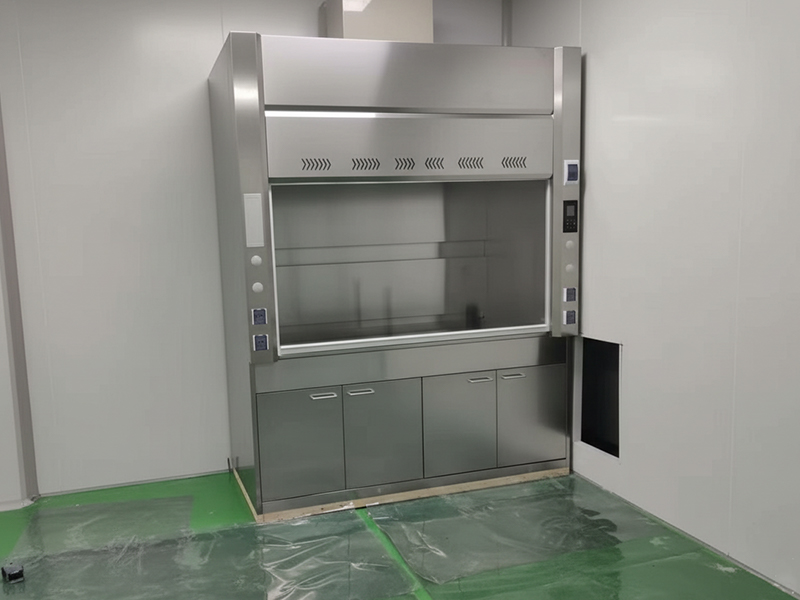
Cleaning a fume hood is not the same as cleaning a kitchen counter. The wrong cleaning agent can damage interior coatings, while improper technique can expose the cleaner to residual chemicals. For routine cleaning, HJSLab recommends using a dilute neutral detergent with a soft cloth, working from the top of the interior downward to avoid recontaminating cleaned surfaces. Never use abrasive cleaners, steel wool, or high-pressure water. For chemical spills, the response depends on the substance — acids should be neutralized before wiping, while organic solvent spills should be absorbed with appropriate materials and disposed of as chemical waste. Always close the sash to its lowest practical position while cleaning to maintain airflow containment.
Partner with HJSLab for Ongoing Support
HJSLab does not just sell fume hoods and walk away. Our commitment to the South African market includes comprehensive after-sales support covering installation commissioning, staff training, annual certification coordination, and spare parts supply. Whether your laboratory is at the University of the Witwatersrand, a Sasol research facility, or a water testing lab in Durban, HJSLab is your reliable partner for laboratory safety equipment. Contact us today to schedule a free maintenance assessment for your existing fume hoods.
Fume Hood Maintenance Best Practices for South African Research Laboratories by HJSLab