 South Africa
 Pakistan
 Russia
 Turkey
Labs move. Departments merge, buildings get renovated, universities expand into new campuses. When that happens, the lab bench has to go with you — and full steel benches are actually the easiest type to relocate without damage. Unlike wood-composite benches that can crack at joints or delaminate during transport, steel doesn't care about being moved.
HJSLab, a full steel lab bench manufacturer based in Suzhou, China, has handled relocation projects across Africa and the Middle East. Their benches are designed with standardized bolt connections from day one — which means they come apart cleanly and go back together without guesswork.
The Right Disassembly Sequence Saves You Hours
Before you unscrew anything, label everything. Use numbered stickers on each cabinet, drawer, and frame section. Take photos of cable routing, plumbing connections, and how accessories attach. This five-minute step prevents a two-hour puzzle at the destination.
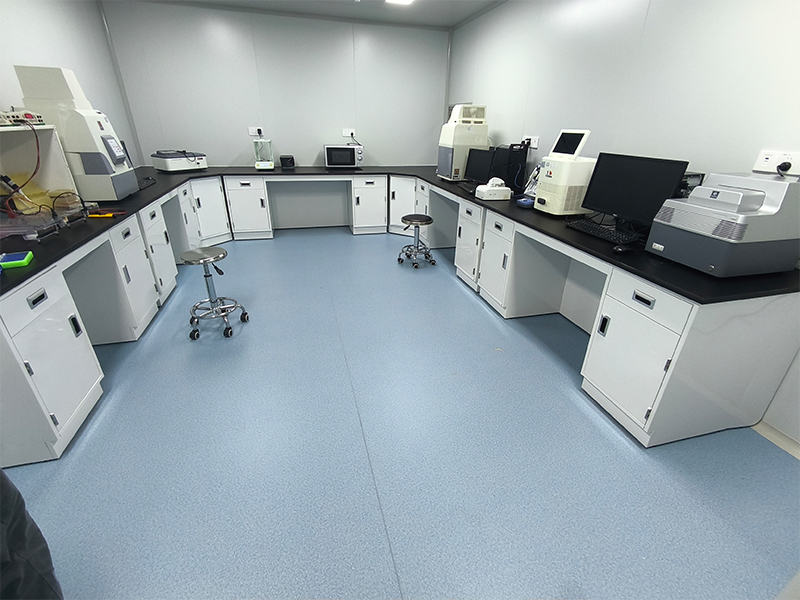
The disassembly order matters. Start with accessories — reagent shelves, drip racks, power strips. Then remove the countertop. Next, take off cabinet doors and drawers (they're the parts most likely to get scratched in transit). Finally, unbolt the steel frame sections. Each HJSLab cabinet unit weighs between 30 and 50 kg, manageable for two people with proper lifting technique.
Transport Protection That Actually Works
Steel frames are tough, but the powder coating can scratch if metal rubs against metal. Wrap frame sections in moving blankets or bubble wrap — don't skip this. Countertops should stand upright during transport, not flat. A flat countertop stacked under heavy items will crack at the support points. HJSLab's epoxy resin and ceramic countertops are strong, but they're engineered for downward load, not point pressure from below.
Cabinet doors and drawers deserve individual wrapping. Stack them vertically in the truck with cardboard separators between each piece. This isn't overkill — it's the difference between a clean reinstall and ordering replacement parts.
Reinstallation and HJSLab's Remote Support
Reassembly reverses the sequence: frame first, then doors and drawers, countertop, and accessories last. HJSLab's standardized bolt pattern means you don't need custom hardware — M8 and M6 bolts cover 90 percent of connections. If a bolt or bracket gets lost during the move, any hardware store stocks replacements.
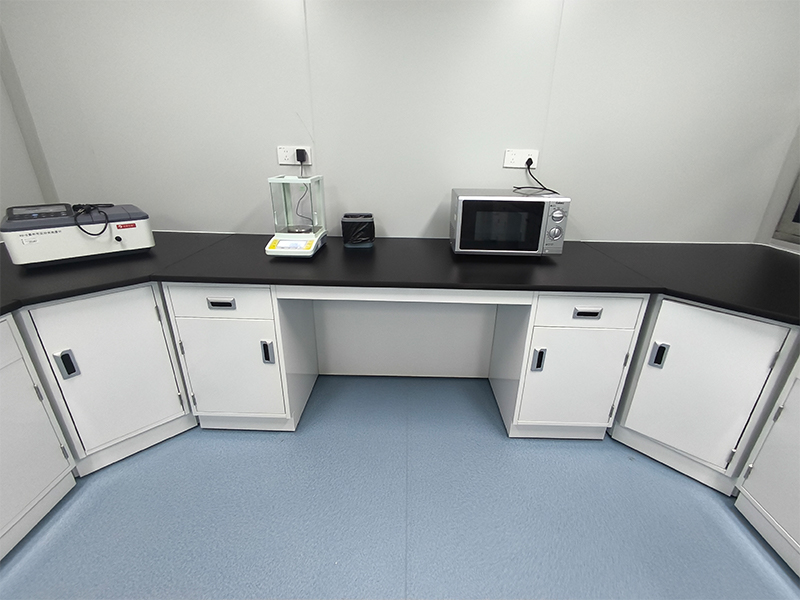
What sets HJSLab apart during relocation is their remote video support. Their Suzhou-based technical team can walk your local installers through the reinstallation process via video call — pointing out alignment marks, torque specifications, and leveling adjustments specific to your bench model. It's free for HJSLab customers.
When You Need Replacement Parts
Sometimes a countertop cracks during a move despite precautions, or a drawer runner gets bent. HJSLab ships replacement parts from Suzhou — sea freight takes about 4 weeks to South African ports, or air freight gets there in 7 to 10 days for urgent needs. Because all HJSLab benches use standardized dimensions, replacement parts fit without modification.
If your South African lab is facing a move, plan it right. Full steel benches from HJSLab are built to be taken apart and put back together — that's part of the design philosophy. Contact their team for a relocation checklist specific to your bench configuration.
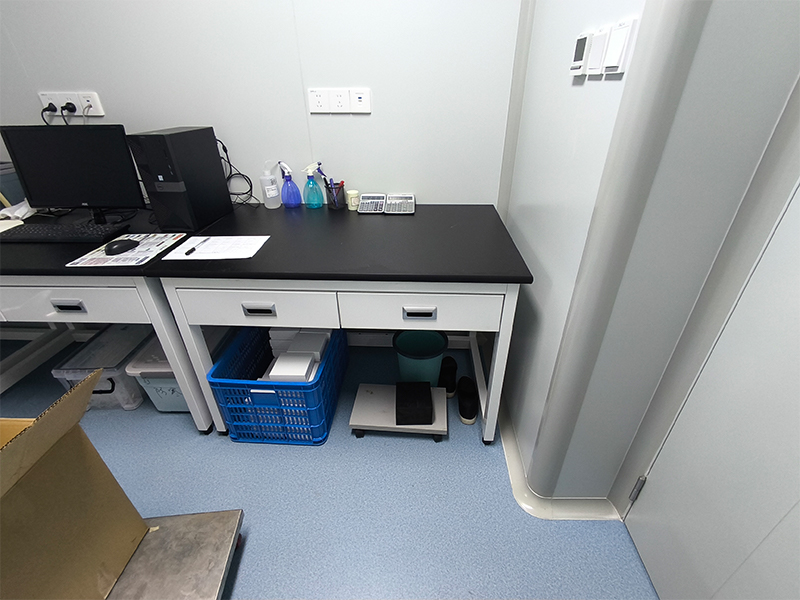
HJSLab Full Steel Lab Bench Relocation and Reinstallation Guide for South African Laboratories