 South Africa
 Pakistan
 Russia
 Turkey
The Shift Toward Flexible Laboratory Spaces
South Africa's research landscape is evolving rapidly. From the Council for Scientific and Industrial Research (CSIR) in Pretoria to university laboratories in Cape Town and Johannesburg, there is a clear shift happening in how research spaces are designed and equipped. The rigid, fixed laboratory layouts of the past are giving way to modular, reconfigurable designs that can adapt as research priorities change.
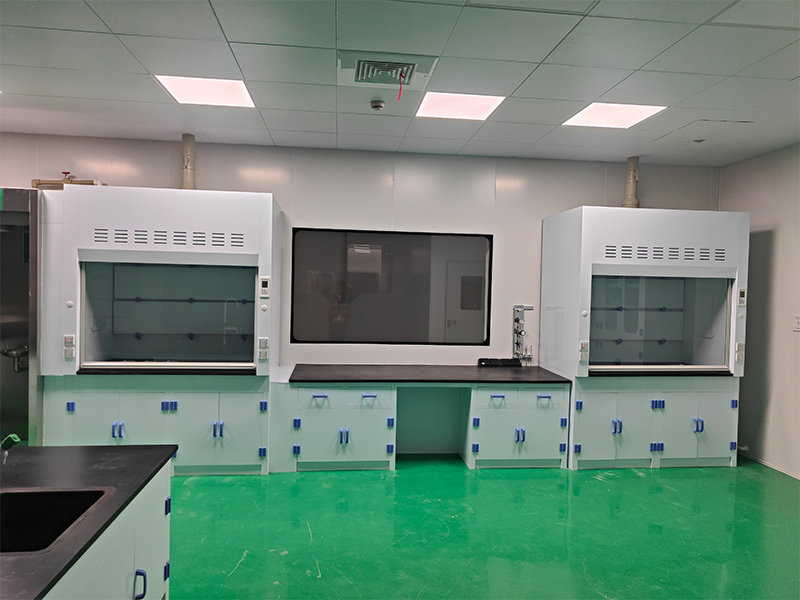
This is not just a trend — it is a practical response to real challenges. Research funding cycles mean labs often need to pivot from one project type to another. A chemistry lab today might need to accommodate molecular biology work next year. Modular laboratory bench systems make this kind of flexibility possible without the cost and disruption of a complete lab renovation.
What Makes a Lab Bench Truly Modular
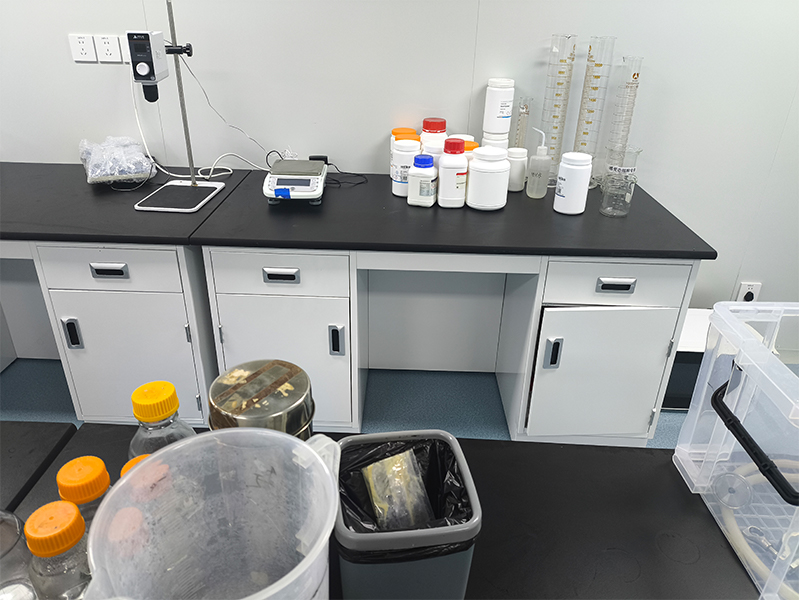
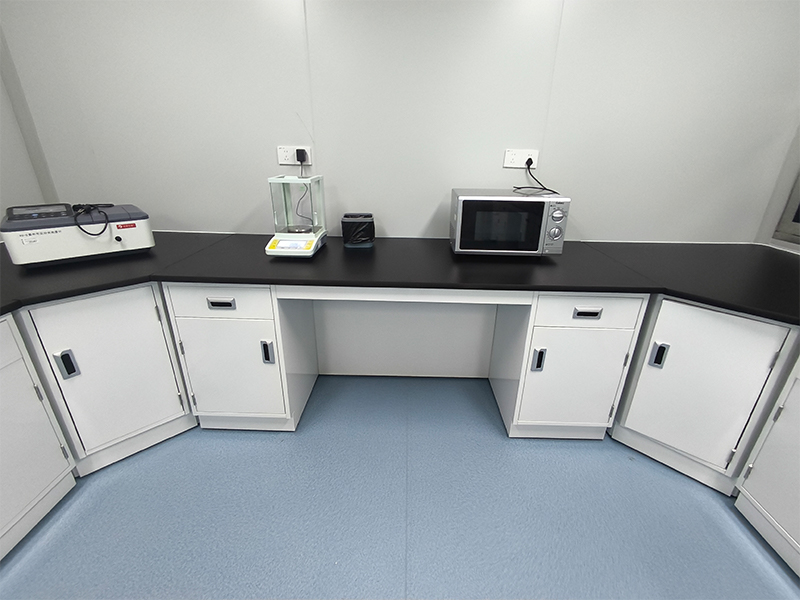
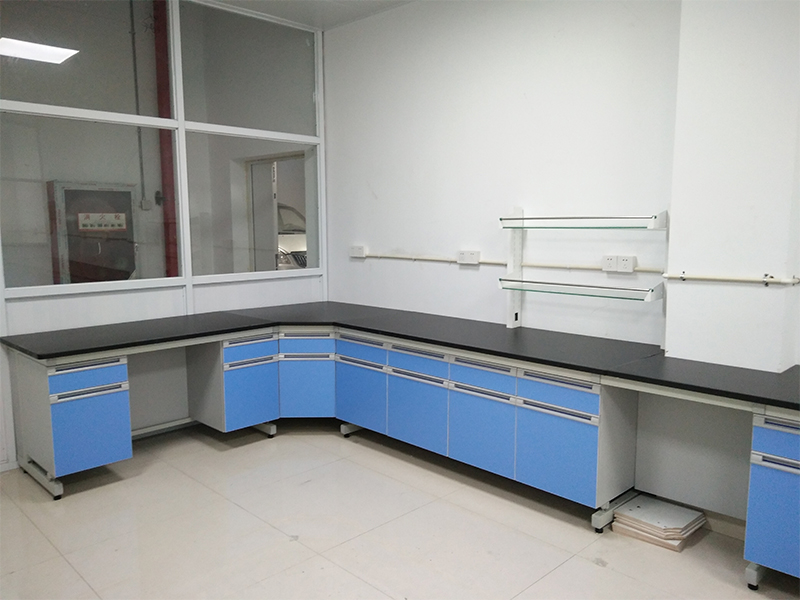
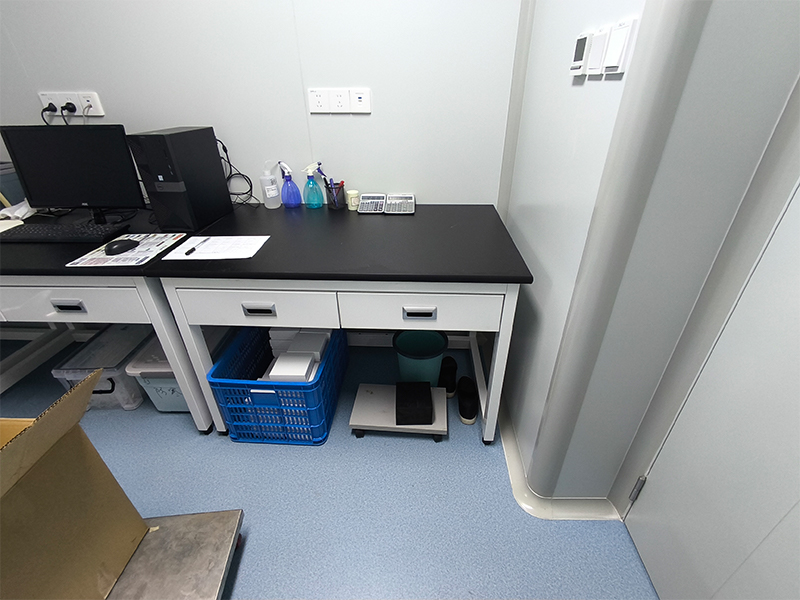
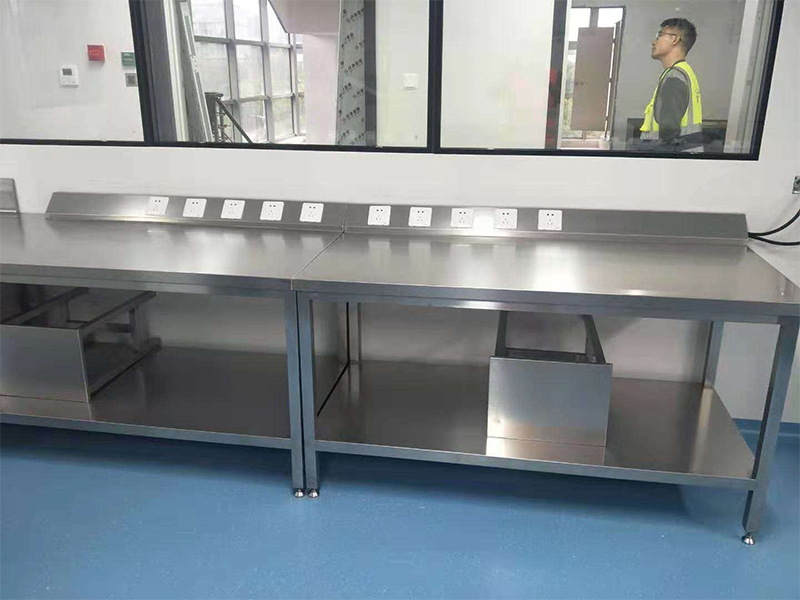
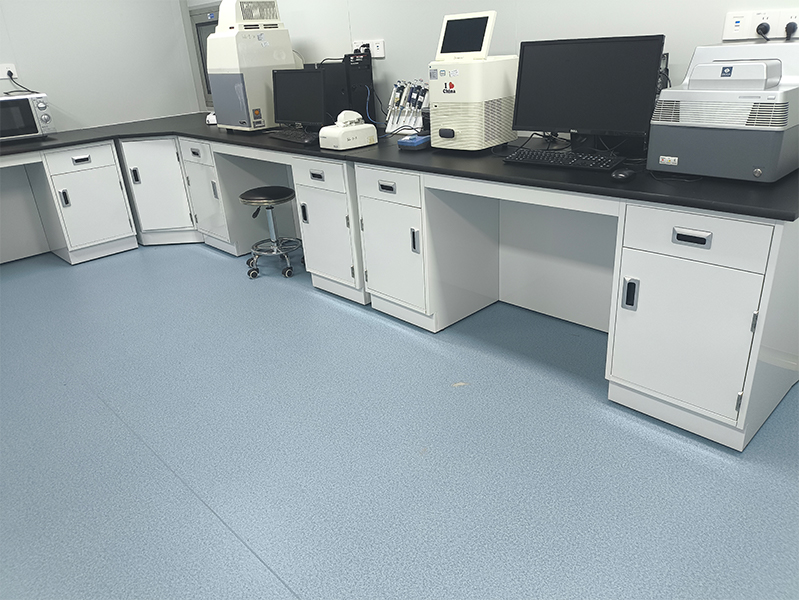
A genuinely modular laboratory bench goes beyond simply being moveable. It means the entire workstation system — the bench frame, work surface, storage units, utility connections, and overhead shelving — can be reconfigured independently. Need to convert an island bench into a wall bench? With a modular system, that is a half-day job rather than a week-long construction project.
HJSLab modular laboratory bench systems use a standardised C-frame design with bolt-on connections. Work surfaces come in standard widths (1200mm, 1500mm, and 1800mm) that can be combined or separated. Services like gas, water, and electrical outlets connect through quick-release fittings mounted on moveable service spines. This means you can rearrange your entire lab layout on a Friday afternoon and be running experiments again on Monday morning.
Meeting SABS Standards with Modular Design
South African laboratories must comply with SABS (South African Bureau of Standards) requirements for workplace safety. SANS 10400 covers building regulations that affect laboratory design, while SANS 1186 addresses structural requirements for furniture. Modular does not mean less safe — in fact, a well-designed modular system can exceed the structural performance of traditional fixed installations.
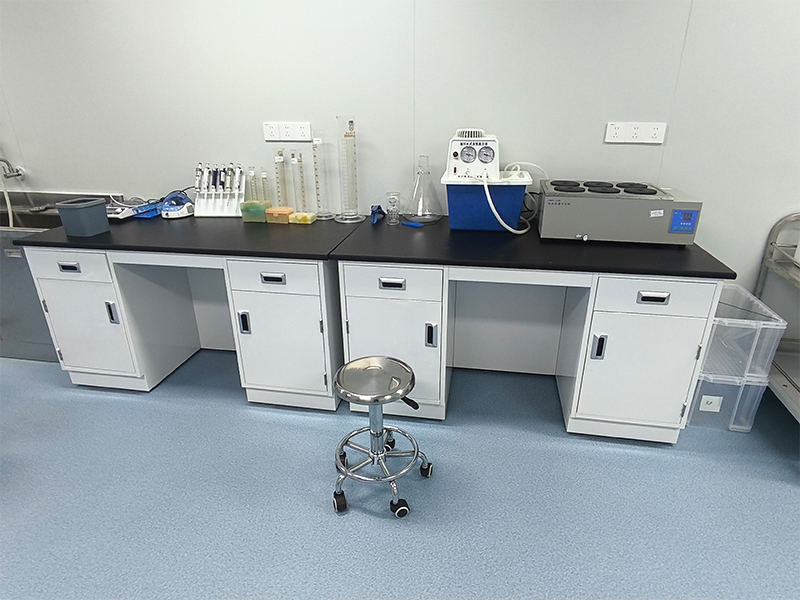
HJSLab laboratory benches are engineered to meet and exceed SABS structural requirements. Each modular frame carries a distributed load rating of 250 kg per linear metre, and all connection points are reinforced with steel gusset plates. Chemical-resistant worktops — whether epoxy resin for chemistry labs or phenolic resin for general science — meet international EN 13325 standards for surface durability.
Cost Benefits for South African Institutions
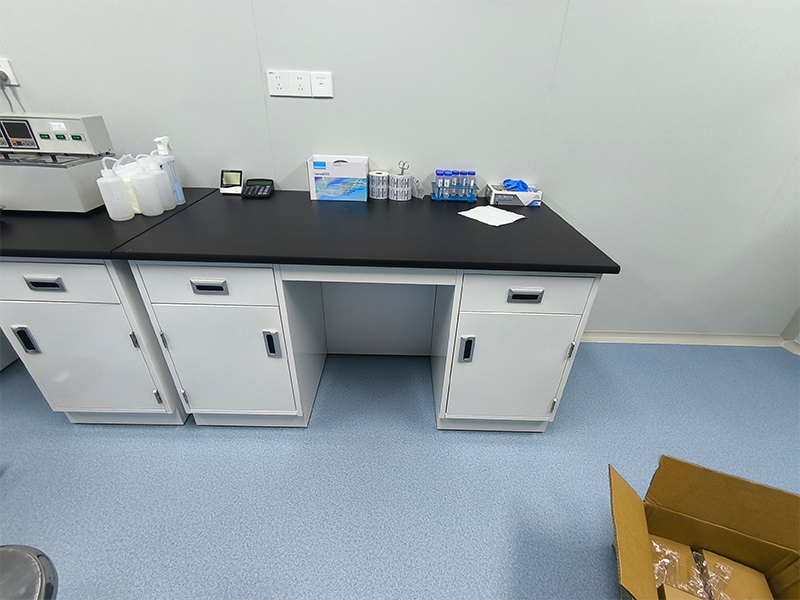
For universities in Durban, research hospitals in Bloemfontein, or mining company laboratories in the Gauteng province, the economic argument for modular laboratory benches is compelling. Rather than purchasing entirely new furniture when research needs change, you simply reconfigure what you already have. Over a typical 15-year laboratory lifecycle, this can result in significant savings on furniture replacement alone.
HJSLab works with South African institutions to design modular laboratory bench solutions that balance initial investment with long-term flexibility. Our team provides layout planning, SABS compliance consultation, and installation support across all major South African cities. Contact HJSLab to discuss how modular laboratory furniture can transform your research facility.
Lab Bench Modular Design Trends Flexible Laboratory Furniture Solutions for African Research Facilit