 Engels
 Pakistan
 Rusland
 Turkye
Choosing the right pipe material for your lab gas system isn't something you sort out over a quick coffee. Get it wrong, and you're looking at contaminated gas supplies, premature corrosion, or — worst case — a safety incident that shuts your facility down.
South African research labs at institutions like Wits, UCT, Stellenbosch, and the CSIR handle everything from high-purity analytical gases to flammable hydrogen. Each application demands specific material properties. Here's how to make the right call.
Stainless Steel — The Go-To for High-Purity Work
If you're running GC, ICP-MS, or any analytical instrument that needs gas purity above 99.99%, stainless steel 316L is your only real option. The electropolished internal surface prevents gas adsorption and moisture retention, keeping your carrier gas clean from the cylinder to the instrument.
For South African labs, 316L also handles the salt air that coastal cities like Cape Town and Durban throw at your infrastructure. Standard 304 stainless corrodes noticeably faster in marine environments — the molybdenum content in 316L makes the difference.
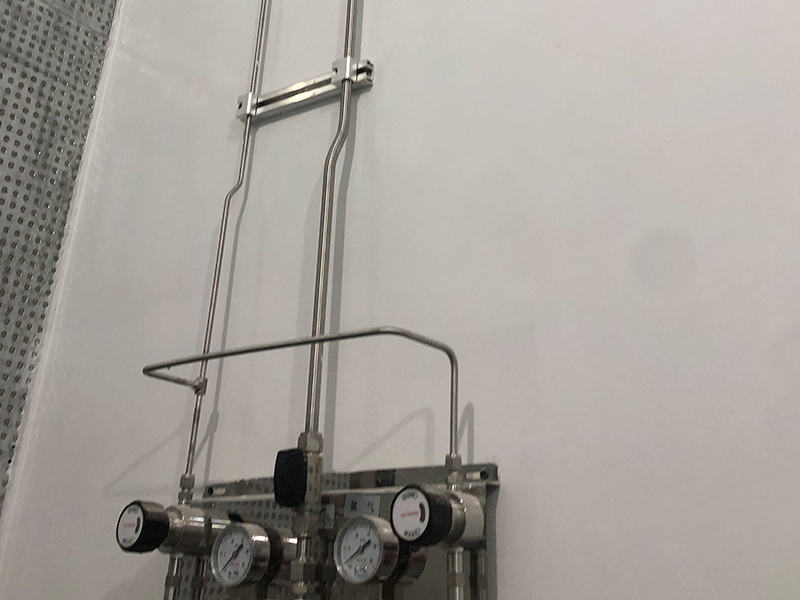
HJSLab uses orbital-welded 316L tubing for all analytical gas lines in South African installations. The welds are inspected using borescope cameras, and every line is purged with nitrogen before commissioning. It's not cheap, but instrument downtime caused by contaminated gas lines costs more.
Copper — Still Brilliant for General Service
For non-analytical applications — general lab air, nitrogen for inerting, vacuum lines — degreased copper tubing with brazed fittings does the job reliably. It's easier to work with than stainless, more affordable, and perfectly adequate when ultra-high purity isn't required.
One catch for South African installations: copper is a target for theft. External pipe runs, especially in Johannesburg and surrounding areas, need to be secured or concealed. HJSLab routes copper lines through sealed ceiling voids and cable trays where possible, with stainless steel used for any exposed exterior sections.
HDPE and PVDF — The Specialists
When corrosive gases like chlorine or hydrogen chloride are in the mix, metal pipes don't last. HDPE and PVDF polymer piping resist chemical attack that would destroy stainless steel within months.
These materials are also lighter, easier to install, and don't require hot work — a significant advantage in laboratories where fire permits are difficult to obtain. The trade-off is lower pressure ratings and limited temperature range.
HJSLab uses PVDF for corrosive gas applications in South African chemical and mining research laboratories, with electrofusion welding for leak-free joints.
SANS Standards and What They Mean for Material Choice
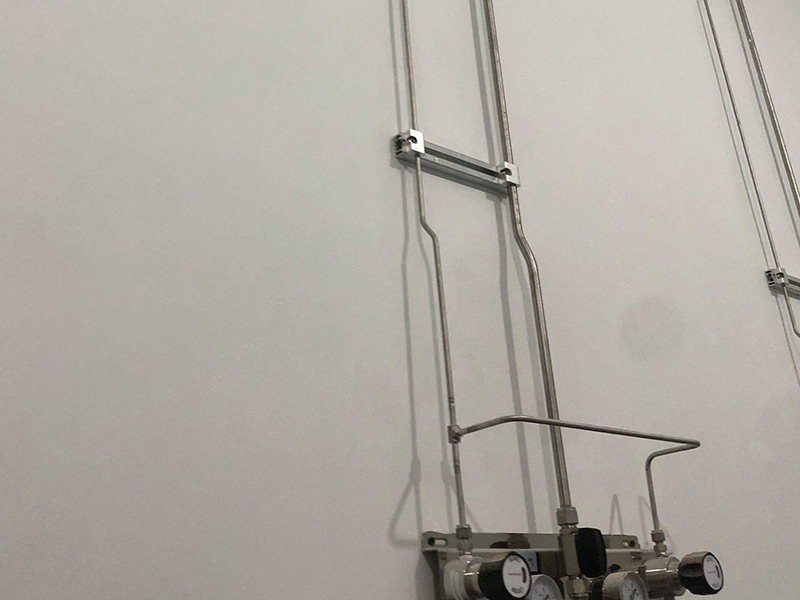
SANS 10400-XA covers energy usage in buildings, which affects insulation requirements for gas piping. SANS 347 aligns with pressure equipment regulations. Your gas piping materials and installation methods must comply with these standards for insurance coverage and regulatory approval.
HJSLab provides material certificates and test reports for every component used in South African lab gas piping installations. All materials are sourced from manufacturers with ISO 9001 certification, and installation follows SANS-compliant procedures.
Making the Decision
Match the material to the gas purity requirement, the operating environment, and the budget. For mixed-use laboratories, a combination of stainless steel for analytical lines and copper for general services usually makes the most sense.
Contact HJSLab's South African team for a site survey. We'll assess your gas requirements, review your existing infrastructure, and recommend materials that balance performance, durability, and cost for your specific situation.
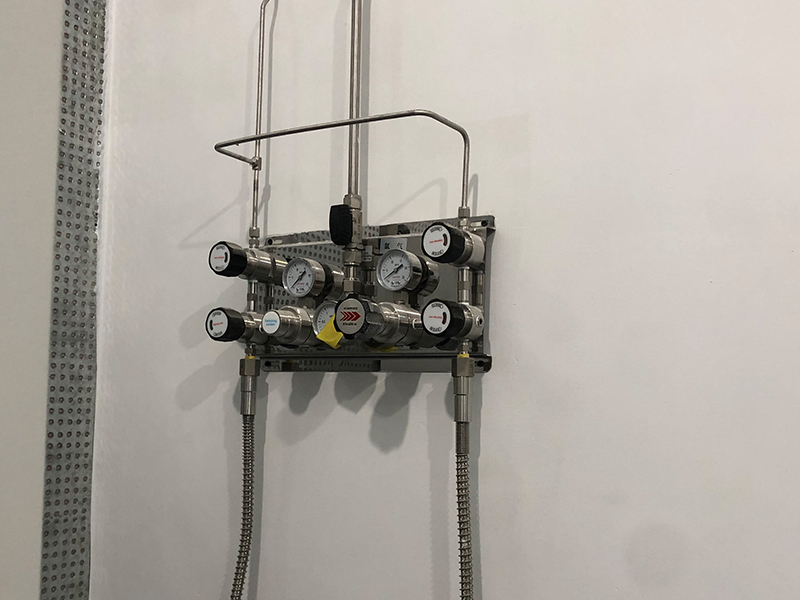
Lab Gas Piping System Material Selection Guide for South African Research Institutions by HJSLab