 Engels
 Pakistan
 Rusland
 Turkye
If you manage a research facility anywhere in South Africa, from the medical research labs in Braamfontein to the chemistry departments at UCT or Stellenbosch, you know that laboratory equipment maintenance often falls to the bottom of the priority list. Experiments come first, grant deadlines come second, and equipment upkeep gets squeezed into whatever time remains. But neglecting your glassware cabinets creates problems that eventually demand urgent attention at the worst possible time.
Why Cabinet Maintenance Deserves Scheduled Attention
A glassware cabinet is not a set-and-forget piece of furniture. Hinges wear, shelves sag under sustained load, seals deteriorate, and locking mechanisms corrode in humid laboratory environments. In South Africa's diverse climate zones, from the humid KwaZulu-Natal coast to the dry Gauteng highveld, environmental conditions affect cabinet materials differently.
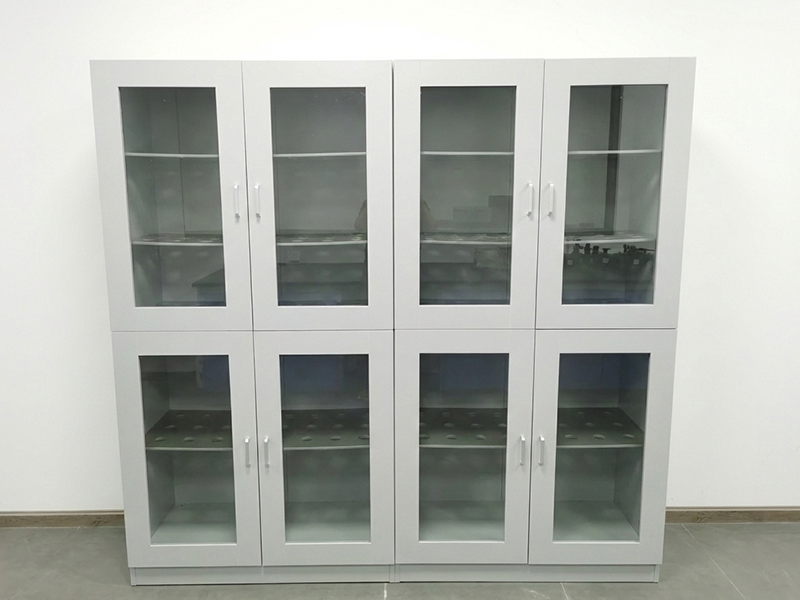
Laboratories in coastal cities like Durban and Cape Town face accelerated corrosion of metal components due to salt-laden air. Inland laboratories in Johannesburg and Pretoria deal with temperature swings that cause expansion and contraction in cabinet materials. Understanding your local conditions helps you set appropriate maintenance intervals.
Quarterly Inspection Checklist
Every three months, run through this inspection routine. Check all hinges for smooth operation and tighten any loose screws. Verify that shelves sit level and have not developed permanent deflection from sustained loads. Test door latches and locks to confirm they engage properly. Examine shelf safety lips for damage or detachment. Look for signs of corrosion on metal components, paying particular attention to weld points and screw holes. Clean ventilation openings to ensure adequate airflow.
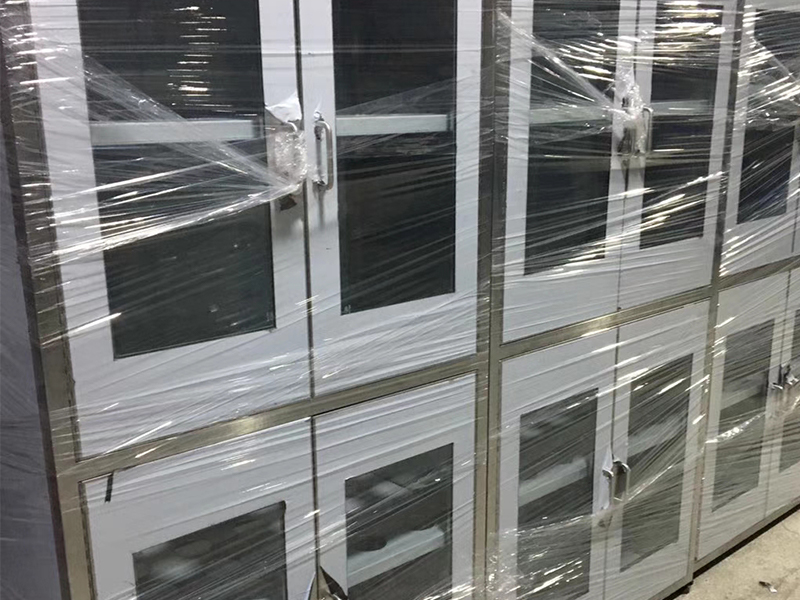
HJSLab cabinets use marine-grade stainless steel hardware specifically selected for durability in South African conditions. Even so, a regular inspection routine extends the operational life of any cabinet.
Cleaning Protocols for Chemical Environments
The cleaning approach depends on what your laboratory handles. For general chemistry labs, wipe interior surfaces monthly with a mild detergent solution, rinse with distilled water, and dry thoroughly. For laboratories working with acids, use a dilute sodium bicarbonate solution to neutralize any acid residue before cleaning. For biological laboratories, follow your facility's standard disinfection protocol on cabinet interiors quarterly.
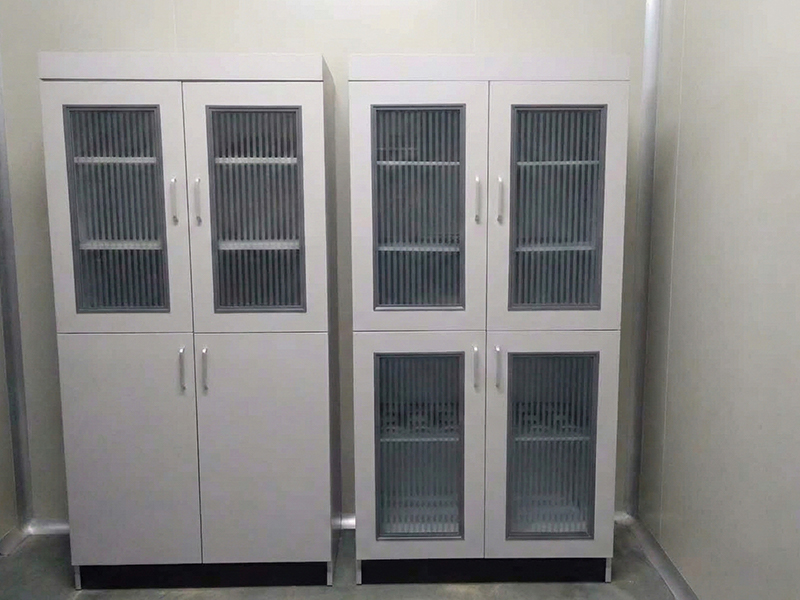
Never use abrasive cleaners on cabinet surfaces as they scratch the finish, creating sites where corrosion can begin. HJSLab recommends soft microfibre cloths and pH-neutral laboratory cleaners for routine maintenance.
When to Replace Rather Than Repair
No cabinet lasts forever. Replace your glassware cabinet when you observe persistent corrosion that has penetrated beyond the surface finish, shelves that have permanently deformed and can no longer be adjusted level, door seals that no longer close properly despite adjustment, or structural joints that have loosened and cannot be retightened securely.
HJSLab offers trade-in assessments for laboratories upgrading their storage systems. Contact HJSLab to schedule a maintenance consultation or discuss replacement options for your South African laboratory.
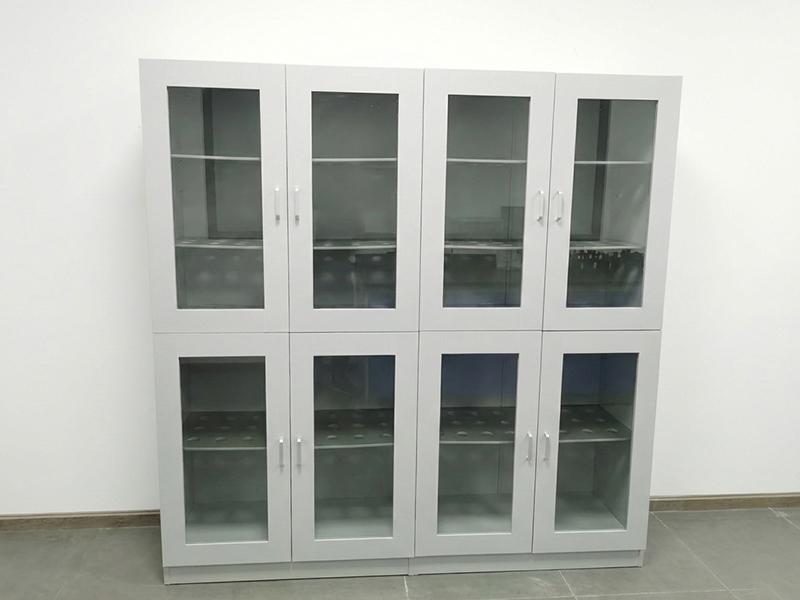
Glassware Cabinet Care and Compliance Guide for South African Research Facilities by HJSLab