 South Africa
 Pakistan
 Russia
 Turkey
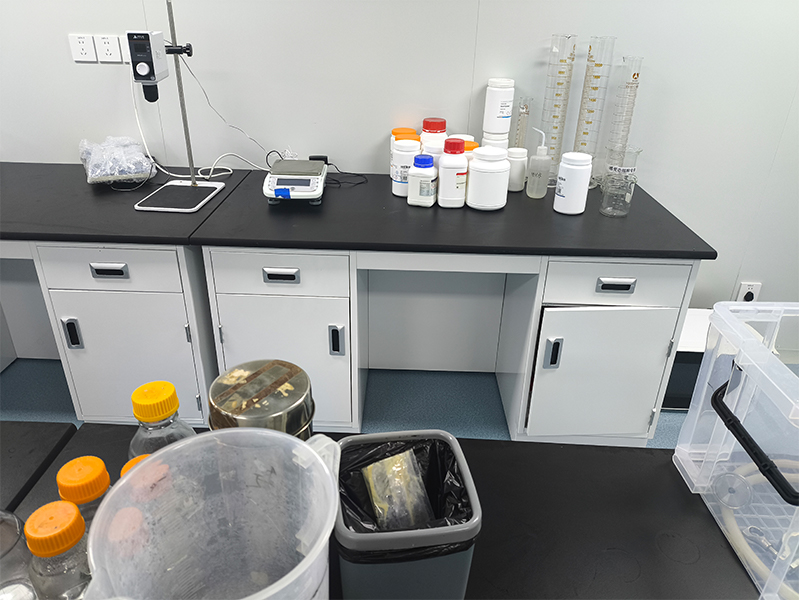
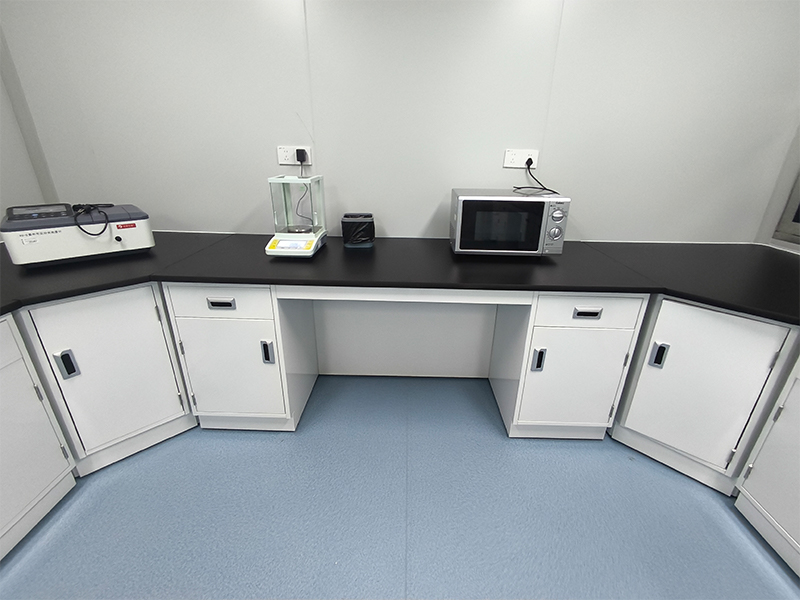
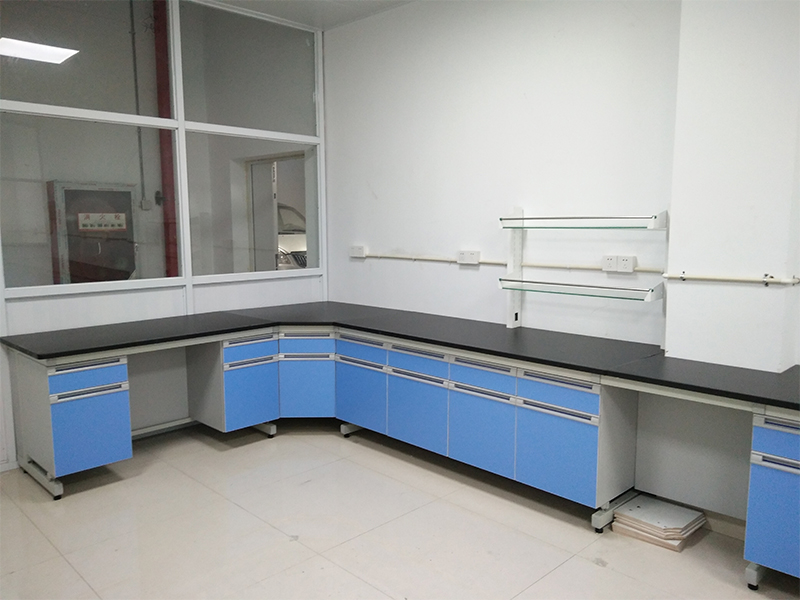
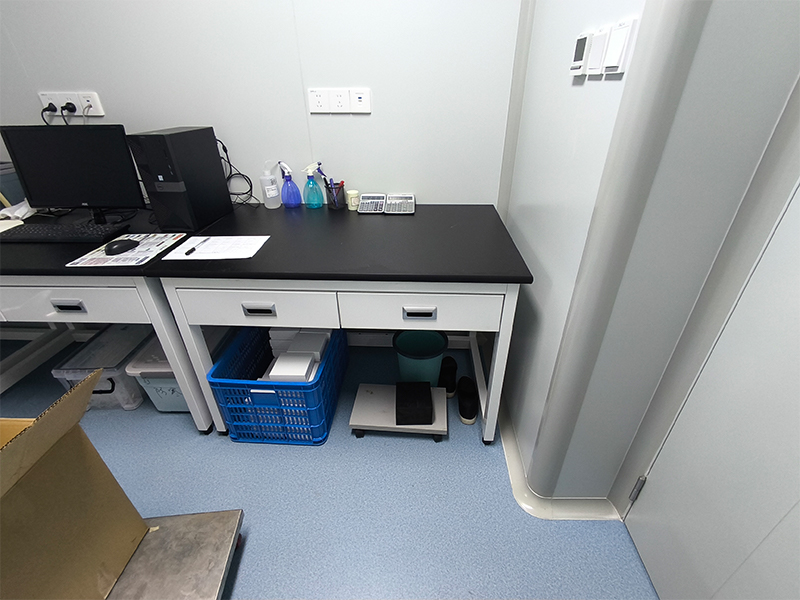
Setting up a research facility in South Africa? The way you lay out your lab benches can make or break how well your lab runs. It’s true everywhere—from Johannesburg’s big pharma labs to university research spaces in Cape Town. If you get the bench arrangement right, your team works better, stays safer, and actually collaborates instead of bumping elbows and tripping over cables.
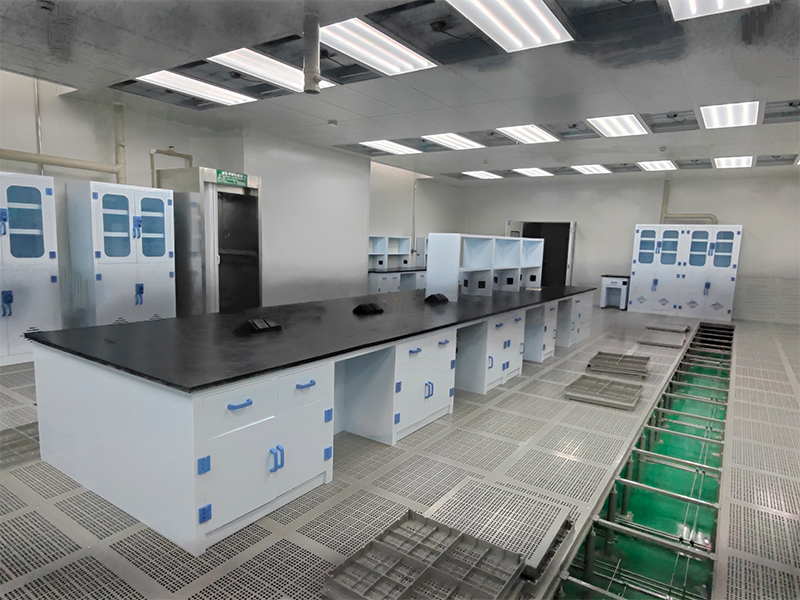
First, get clear on what your lab actually needs. Managers should look at the kind of research you’re doing, how many people you’ve got, and the rules you need to follow (especially those SANAS standards). A chemistry lab doesn’t need the same setup as a biology lab—different jobs, different gear, different risks.
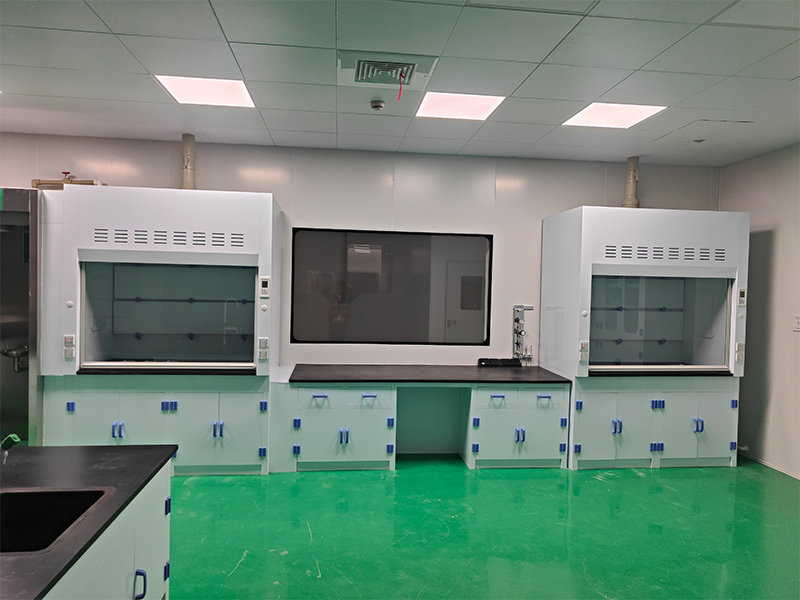
Now, think about how people will move around. Good bench placement means everyone can get where they need to go without squeezing past each other. Put main workstations along the walls, but keep central islands for team projects. And don’t skimp on space—leave at least 1.5 metres between rows. That way, you’ve got enough room for wheelchairs and, if things go south, everyone can get out fast.
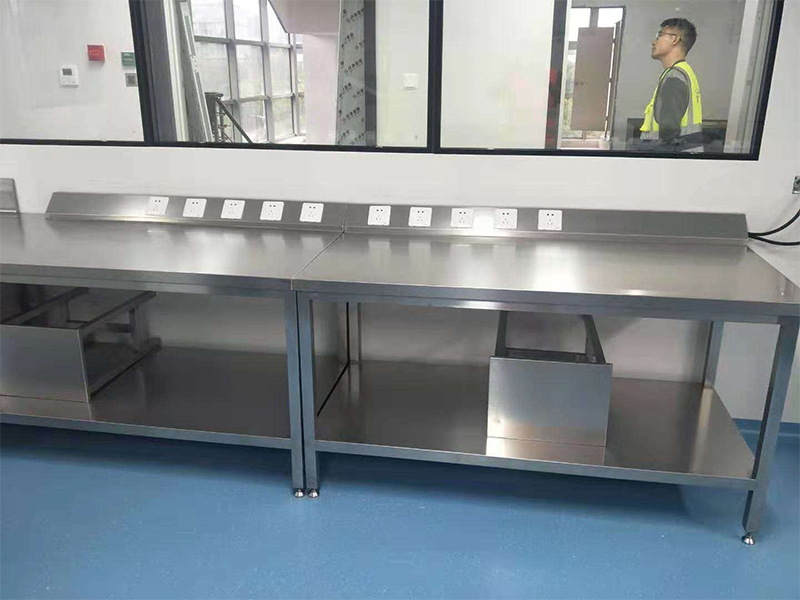
Don’t forget about power, data, and gas—modern labs need all these built in. Plan your utility points before you lock in your bench layout. If you go with modular benches, you’ll have an easier time tweaking your setup as your research changes.
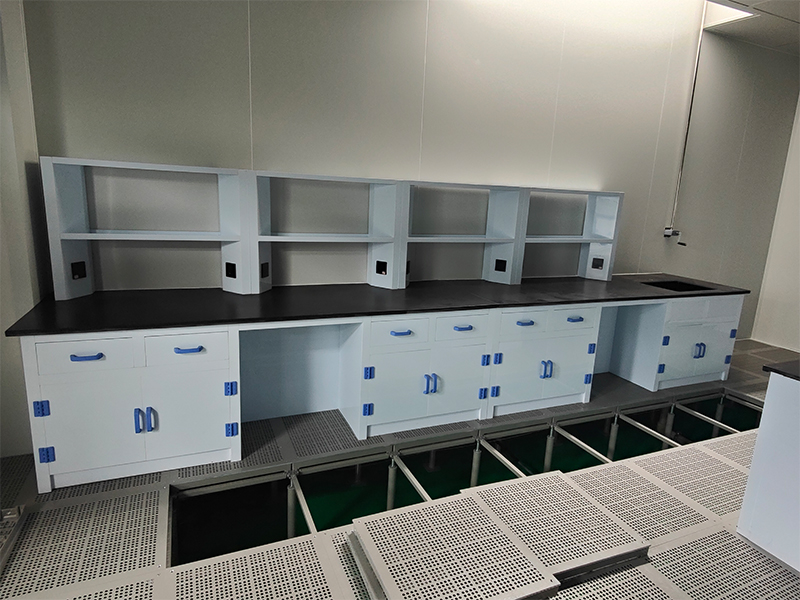
South Africa’s climate also comes into play. In warmer places like Durban, you need enough space between benches so air can move and your cooling systems don’t have to work overtime. Good ventilation isn’t just about comfort—it stops your gear from overheating, too.
Work with lab furniture suppliers who know the local rules and can deliver benches that actually fit your space and your work. The right partner saves you headaches down the line.
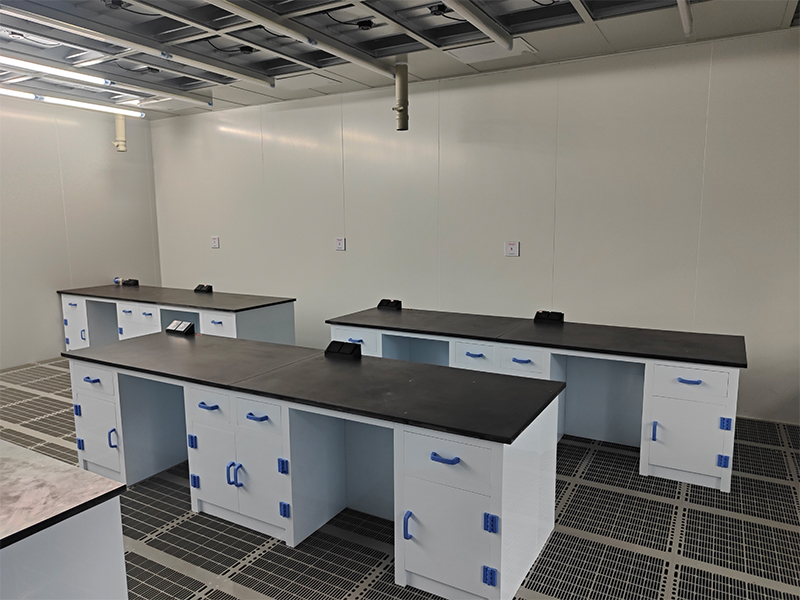
Lab Bench Layout Planning for Efficient Laboratory Operations in South Africa