 South Africa
 Pakistan
 Russia
 Turkey
South Africa’s research and industrial scenes are picking up speed, and honestly, that means there’s a real demand for solid lab furniture. Outfitting a lab isn’t just about filling a room—you need the right benches, and making the right call here really matters. This guide gets into the nuts and bolts, so you can pick what actually works.
Let’s be real: South Africa isn’t all the same. In Durban, labs have to deal with coastal humidity; up in Johannesburg, it’s way drier. Those climate shifts aren’t just trivia—they decide how well your benches last. And then there’s the budget. No one has money to burn, so you’ve got to strike a balance between quality and cost.
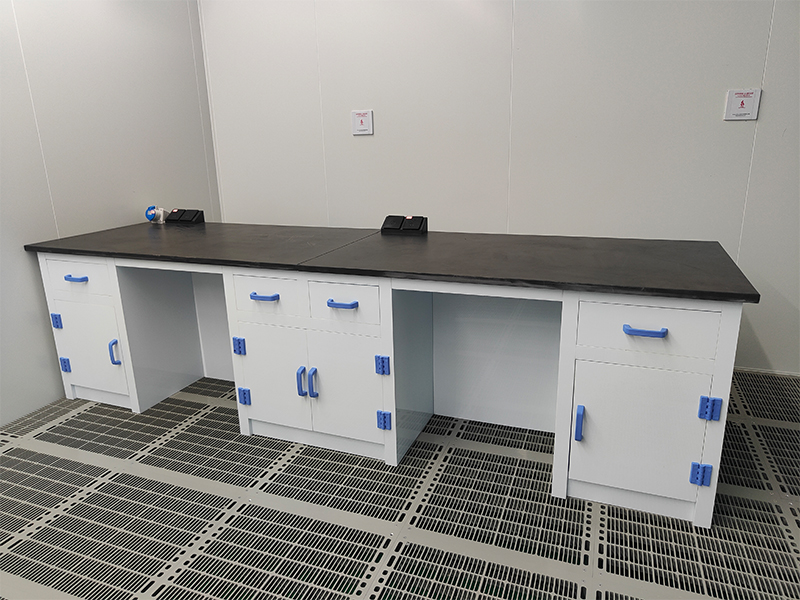
Here’s the upside: local manufacturers have stepped up. You don’t have to wait around for expensive imports. The top suppliers build benches to international standards, but they also understand what South African labs actually need.
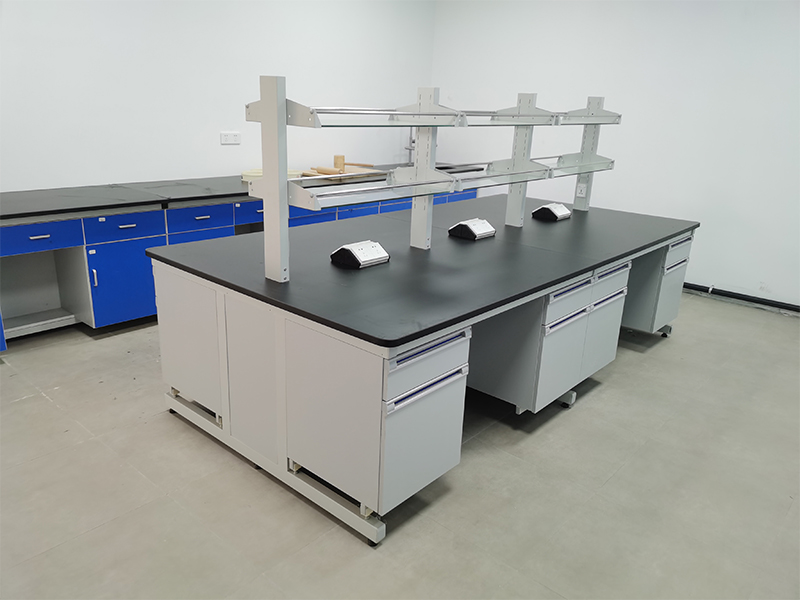
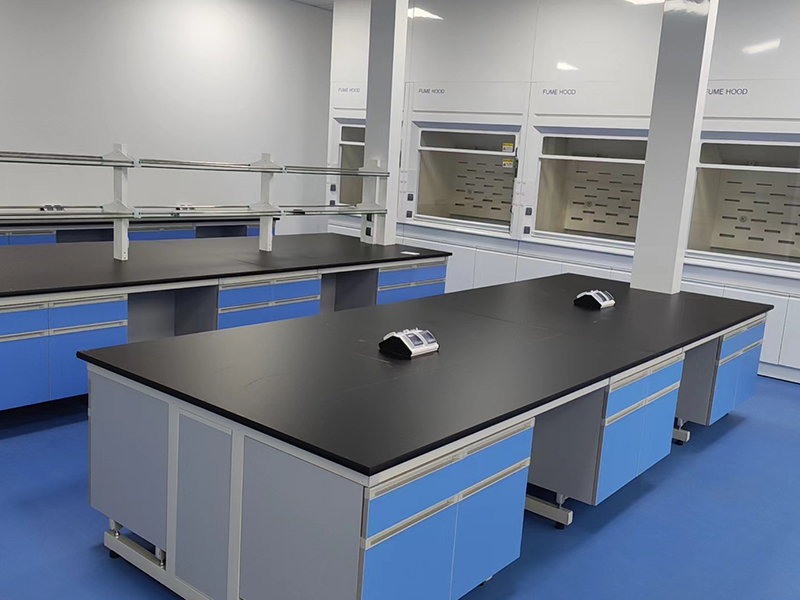
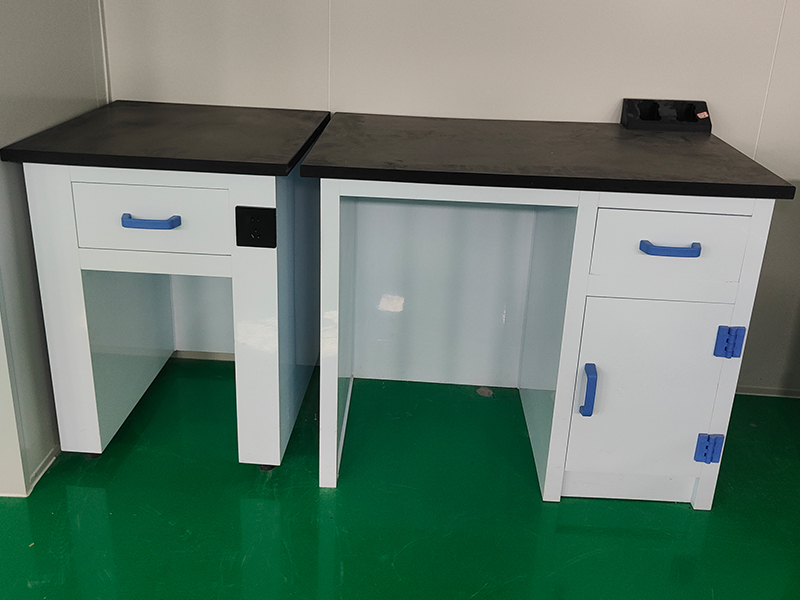
Steel benches are still the go-to for most labs here. Manufacturers use tough steel and protective coatings that stand up to the weather and wear. These benches last, so they’re great for schools, general labs, and industrial testing.
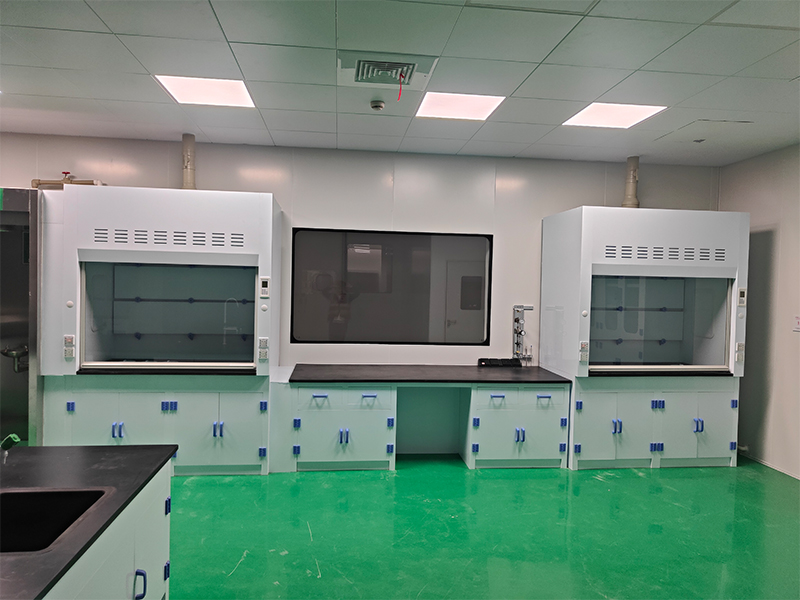
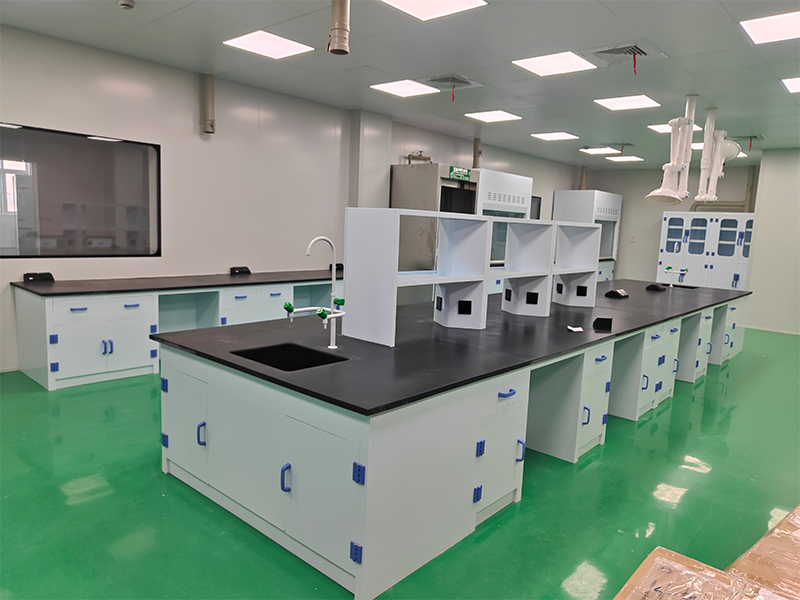
But if your lab deals with harsh chemicals, it’s worth checking out polypropylene benches. PP is tough against aggressive chemicals and doesn’t depend on coatings that can chip or wear off. That’s why you’ll spot them in pharma and analytical chemistry labs.
What should you look for? Start with load capacity. If your lab runs heavy machinery, like in physical testing, you need benches that handle at least 300 kg per meter. For most analytical labs, 200 kg is enough.
Chemical resistance is huge. Look at the chemicals you use daily and make sure your benches can handle them. Epoxy-coated steel works for basic stuff, but if you’re using strong acids, go straight for PP.
Size and fit matter, too. South African buildings aren’t always built to standard sizes, so you might need benches made to fit your space. Good suppliers can do custom work, so don’t settle for a bad fit.
Modern labs need more than just a flat surface. Make sure your benches have built-in power, data ports, and utilities. Planning for this up front saves headaches and money later on.
Don’t just take a supplier’s word for it—ask for proof. Reliable companies can show ISO 9001 certificates and material test reports for their steel or PP. Check the warranty, too. A solid bench usually comes with a 5-10 year structural warranty, and that’s a good sign the supplier backs their work.
Think long term with your budget. The sticker price is only part of the story. You need to factor in maintenance, how long the benches will last, and whether you can upgrade them later.
Get professionals to install your benches. They know labs, and they’ll make sure everything runs smoothly—and your warranty stays valid. Pick a supplier who offers after-sales support. Advice, maintenance, and spare parts make a big difference down the line.
Bottom line? South Africa’s lab furniture market is solid. If you take the time to weigh your options—think about materials, supplier track record, and what your lab will need in the future—you’ll end up with benches that work for you and help your team get results.
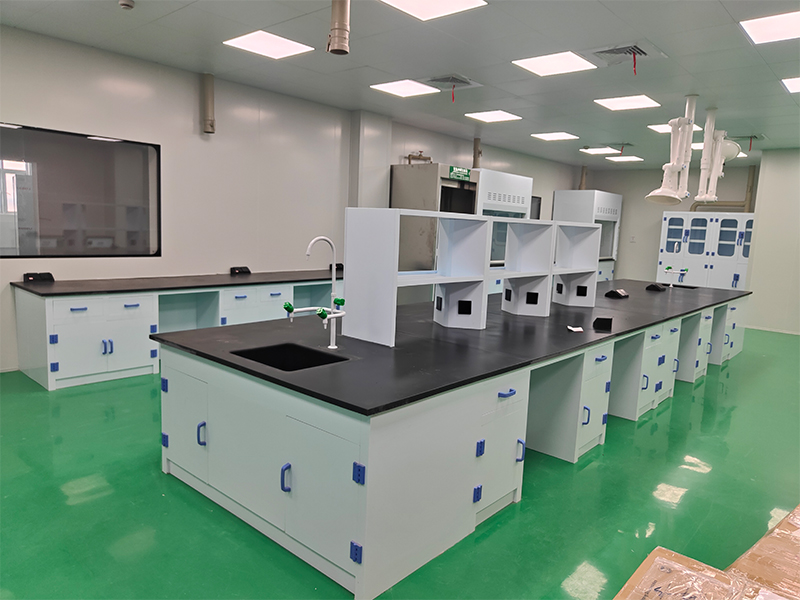
Laboratory Bench Supplier in South Africa: Complete Buying Guide