 Engels
 Pakistan
 Rusland
 Turkye
A Day in a Typical South African Teaching Lab
Picture this: it is Monday morning at a large university in Johannesburg. Thirty undergraduate students file into a chemistry teaching laboratory for their practical session. Each pair shares a laboratory bench, spreading out their apparatus, notebooks, and reagent bottles. By mid-morning, the benches are crowded, students are bumping elbows, and the demonstrator is struggling to navigate between rows.
Sound familiar? This scenario plays out weekly in universities across South Africa — at Wits, UCT, Stellenbosch, and dozens of other institutions. The root cause is almost always the same: laboratory benches that were configured for a different era, when class sizes were smaller and experiments used less equipment. The good news is that smart bench configuration can solve most of these problems without rebuilding the entire lab.
Choosing the Right Bench Type for Your Application
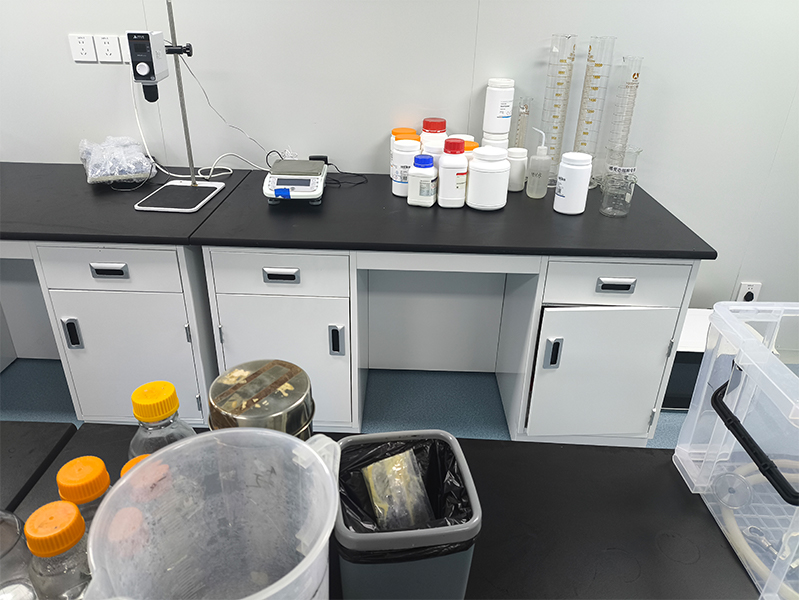
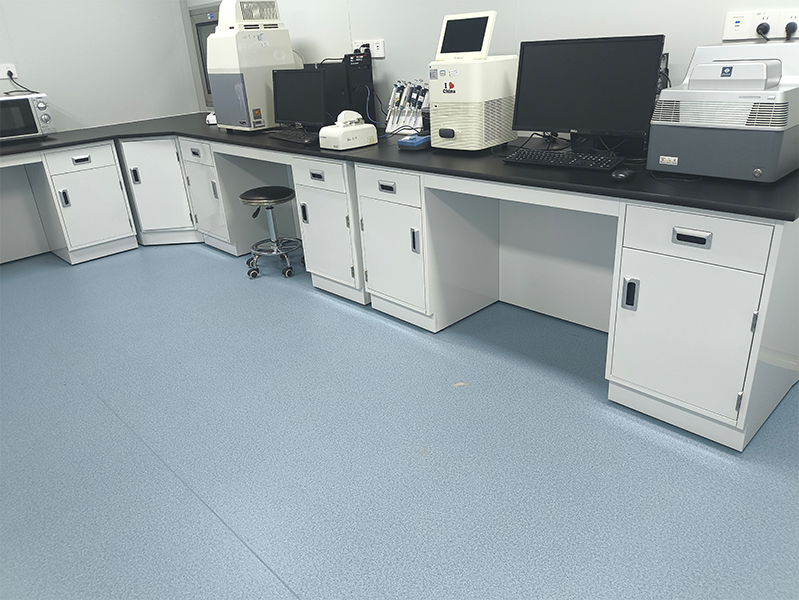
The first decision is selecting the appropriate bench type. For teaching laboratories with high student throughput, island benches (freestanding, accessible from both sides) maximise the number of workstations per square metre. Standard dimensions of 1500mm wide by 750mm deep comfortably accommodate two students side by side.
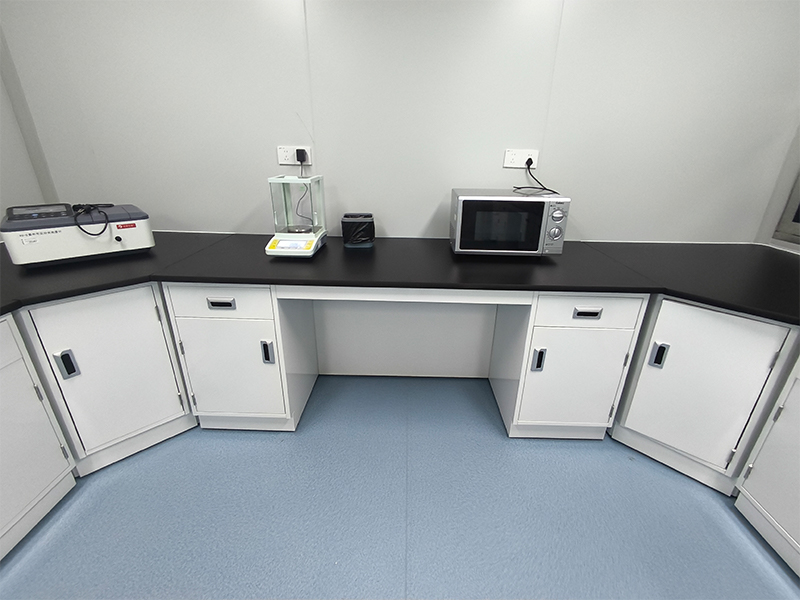
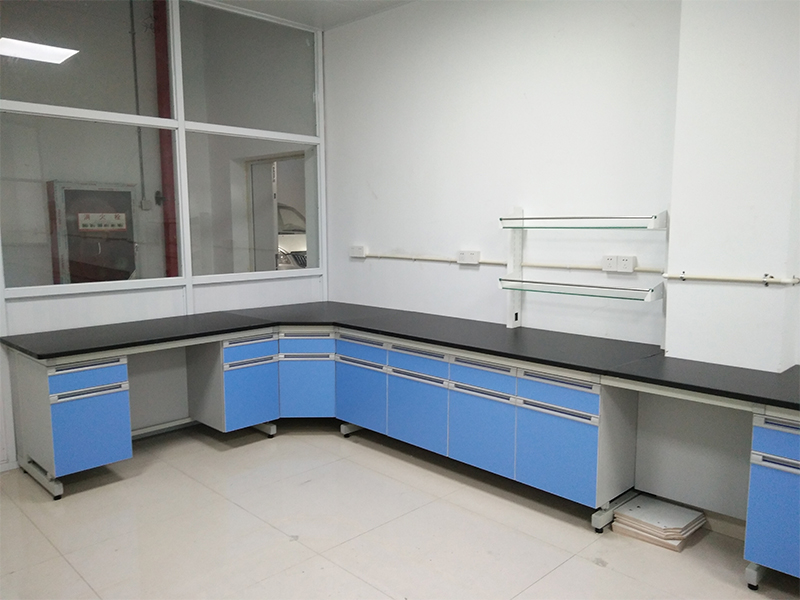
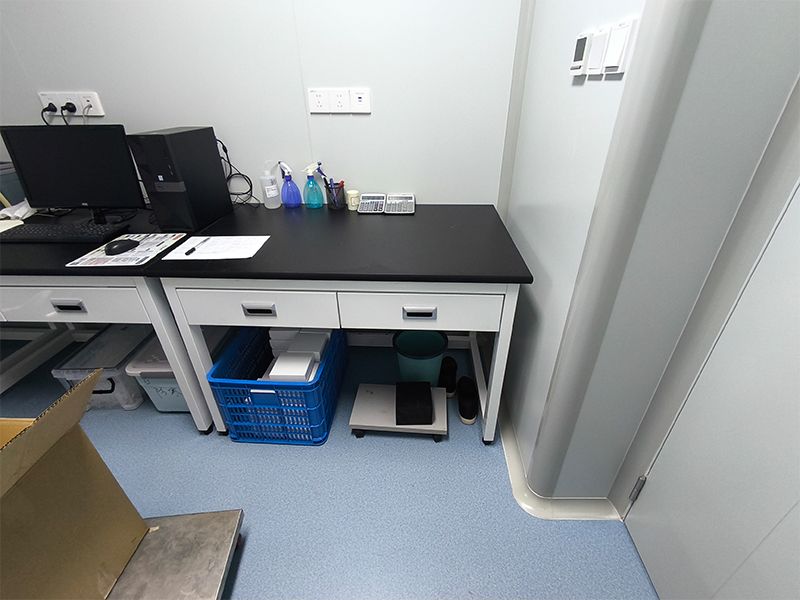
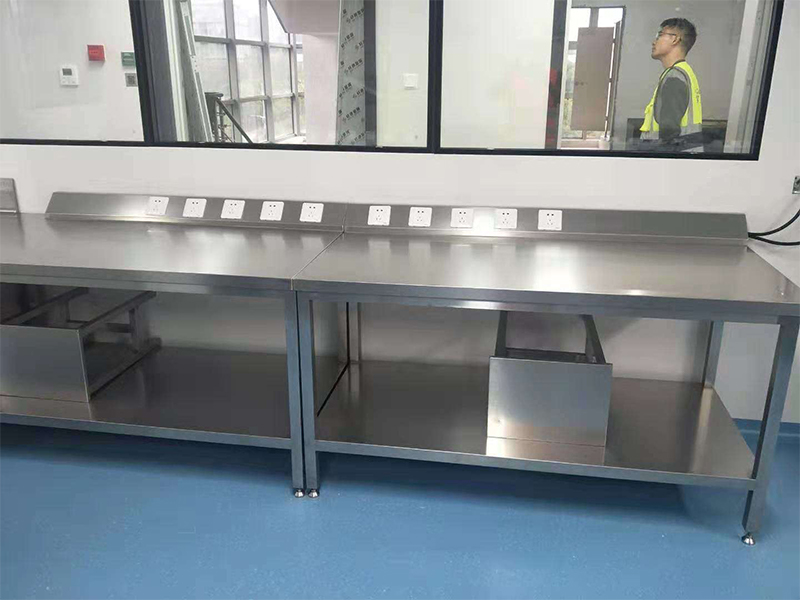
For research laboratories — say, at the CSIR in Pretoria or a pharmaceutical QC lab in Port Elizabeth — wall benches and peninsula configurations often work better. They provide more linear bench space per researcher and keep the centre of the room clear for mobile equipment. HJSLab offers both steel-wood and full-steel laboratory bench options, each configurable to your specific requirements.
Space Planning That Works in Practice
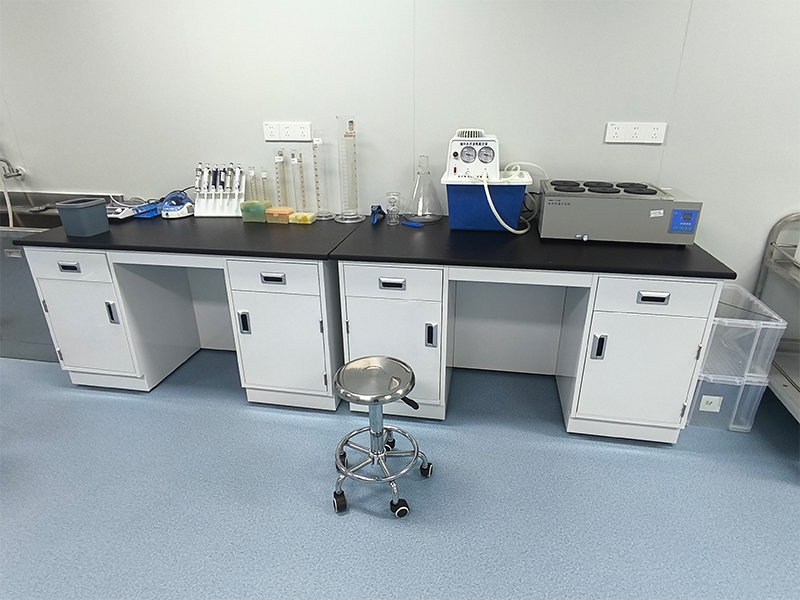
SABS guidelines recommend a minimum aisle width of 1200mm between facing laboratory benches, and 900mm for single-access aisles. In practice, 1500mm between island benches gives students enough room to move safely, especially when they are carrying glassware or chemicals.
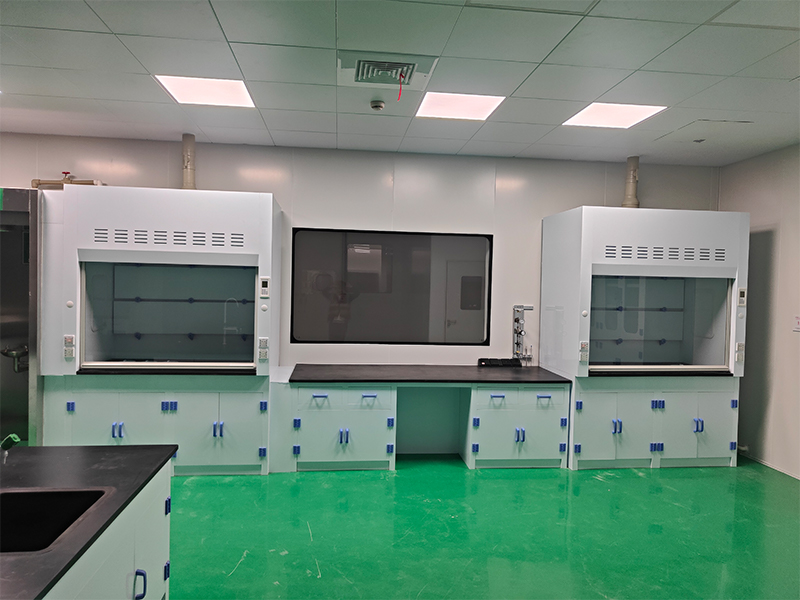
Here is a practical planning tip from HJSLab's experience working with South African labs: always plan your bench layout around the position of safety showers and emergency exits first, then work backwards to fill the available space. This ensures compliance and avoids costly rearrangements later. Our team has configured laboratories from small 40 m² prep rooms to 200 m² analytical suites, and the principle holds true regardless of scale.
Getting the Configuration Right from the Start
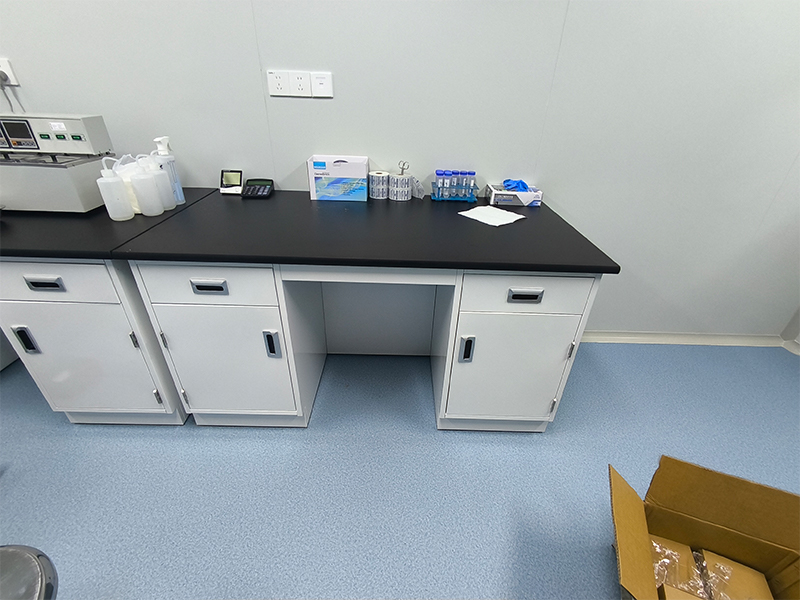
Whether you are fitting out a new lab at a mining company in Rustenburg or refurbishing an ageing teaching laboratory in KwaZulu-Natal, getting the bench configuration right the first time saves money and headaches. HJSLab provides complimentary layout design services for South African clients, including 3D visualisations of your proposed laboratory bench arrangement. Reach out to our South Africa team to schedule a consultation and get your lab working the way it should.
Lab Bench Configuration Guide Practical Setup Advice for South African University and Industrial Lab